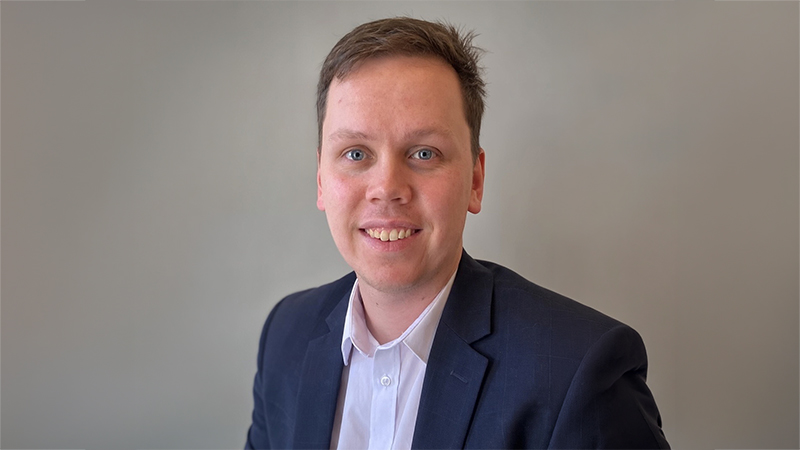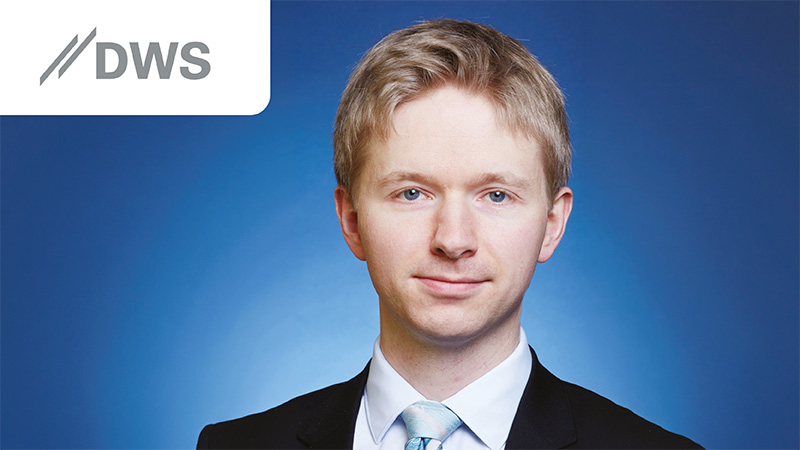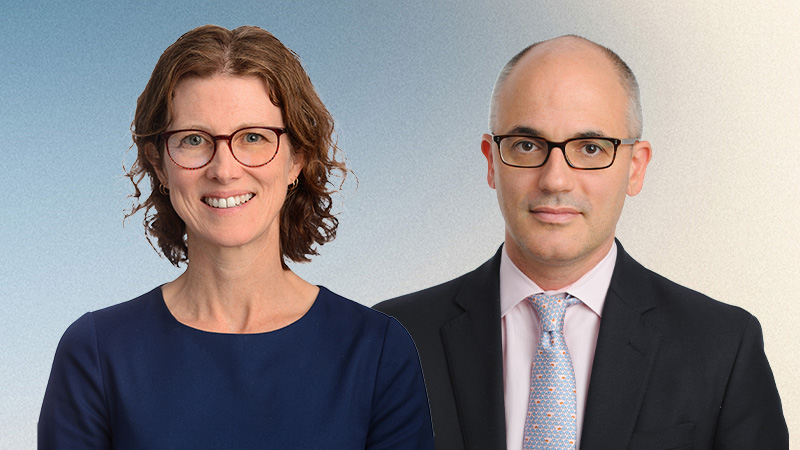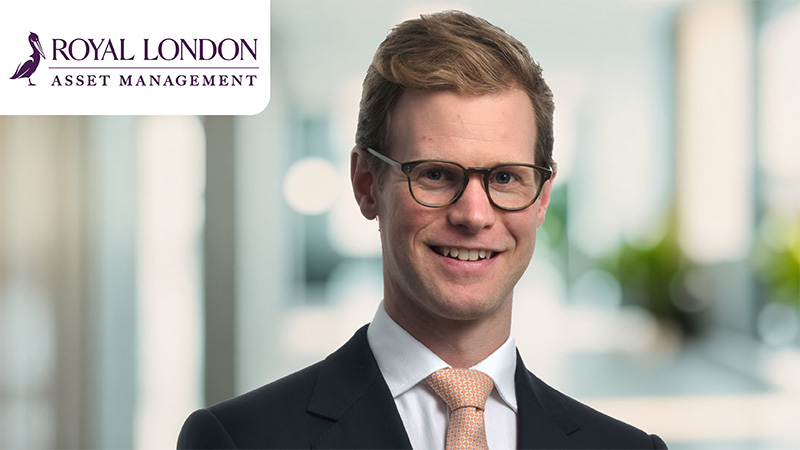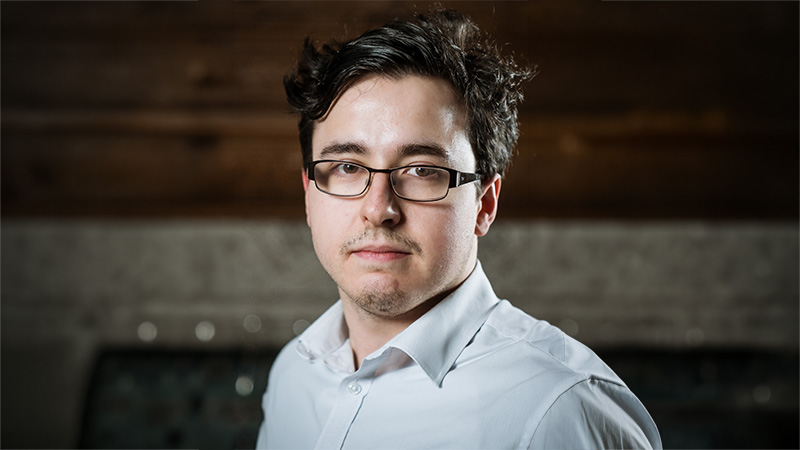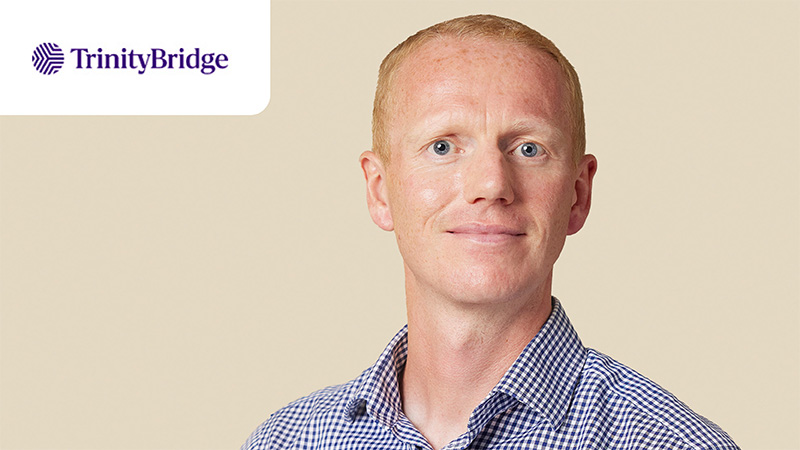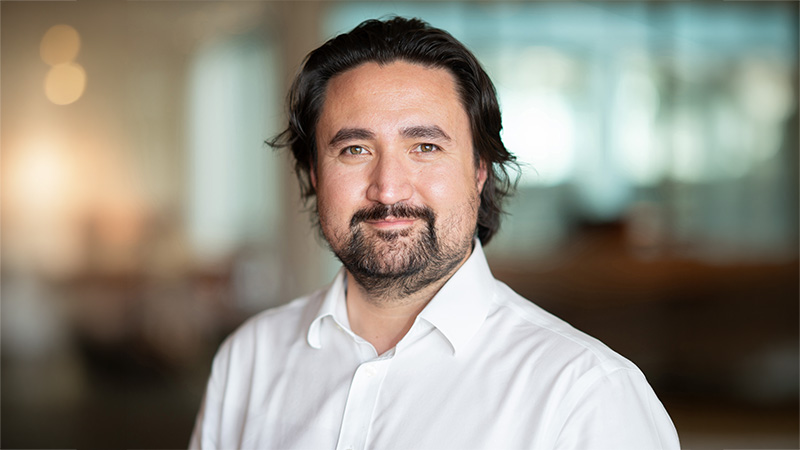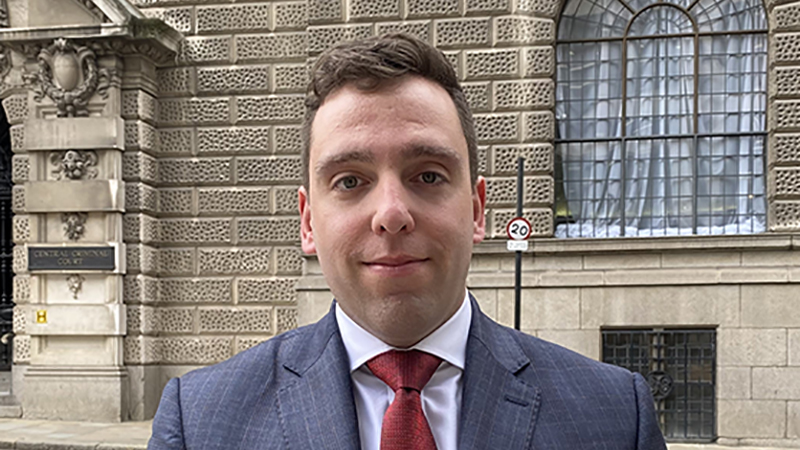
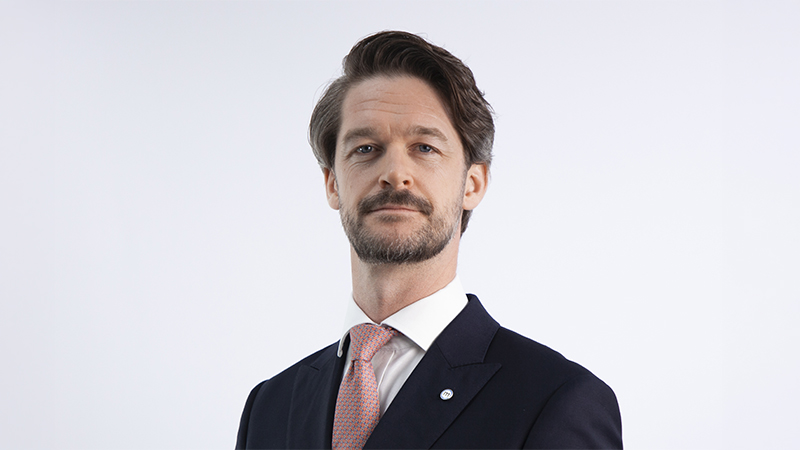

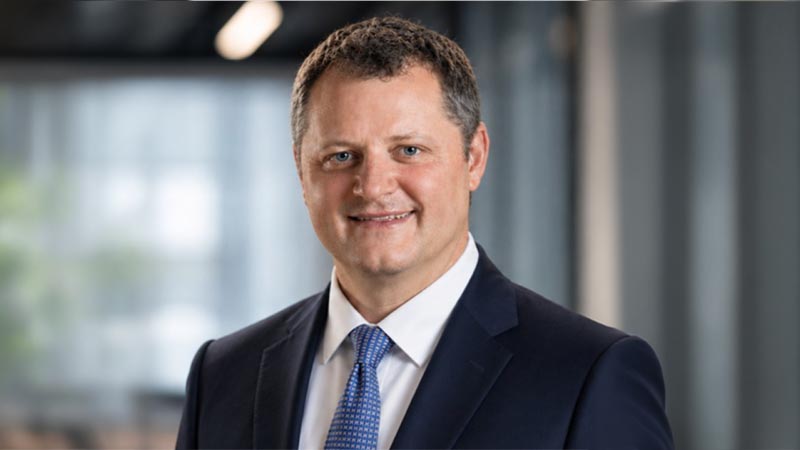

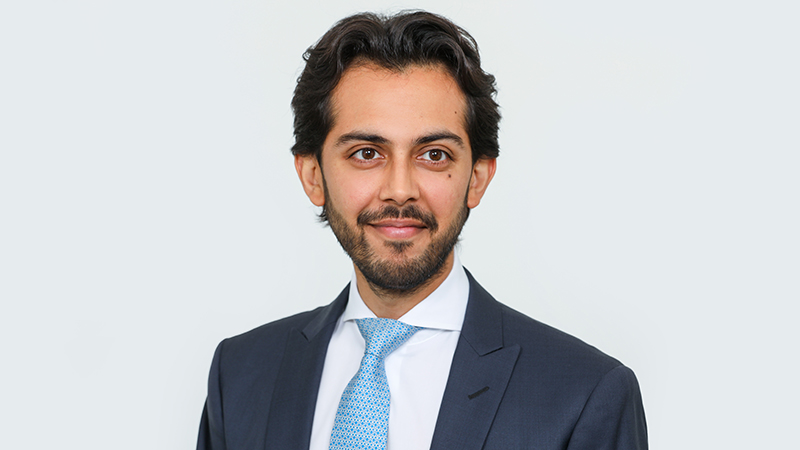
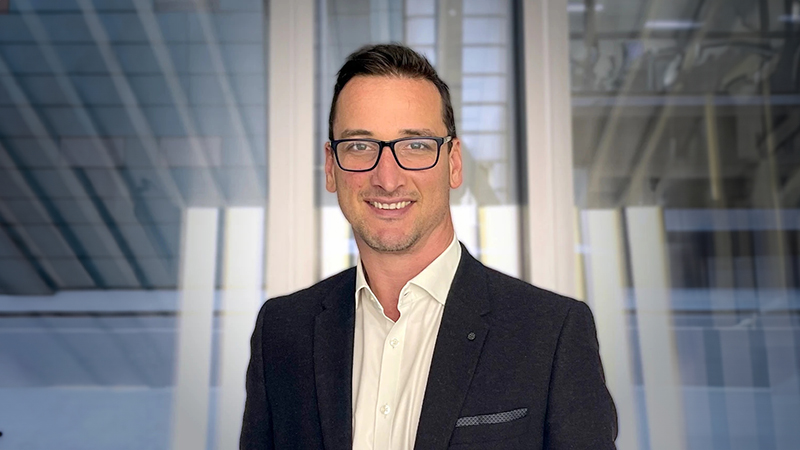

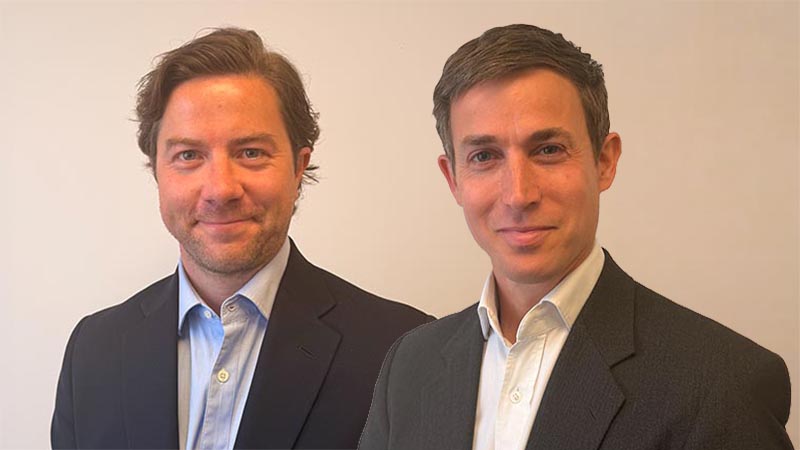
In May this year, fund managers William Lough and Jake Thomson surfaced at boutique asset manager Otus Capital Management, to launch a global small-cap strategy during the second half of 2026.
Lough had spent 16 years at River Global, latterly as partner and lead portfolio manager of the Global Alpha and Global Opportunities strategies.
Thomson, meanwhile, begun his investment career in 2006, having worked across asset managers of various sizes including Morgan Stanley Investment Management, a Silchester associate and Ninety One.
“We kept bumping into each other at conferences and, because we were obviously looking at the same types of companies, we were often in the same meetings together,” Thomson tells Portfolio Adviser.
“After a few years of talking shop, sharing the same investment philosophies and the same frustrations, we decided to branch out together.”
After the task of crafting the philosophy and process of the strategy was complete, the next step was to find the right home for their proposed global small-cap offering.
Lough says the first consideration was to find a boutique with a partner-ownership structure, allowing for long termism and investor alignment.
“Second, we wanted a lean organisation, but one full of people who are experts in their given field,” he explains. “You don’t need to have an army of people in every seat, you need people who are really effective at doing their roles, and then knowing when to outsource appropriately.
“Third, the north star for us is in the investment approach, the concept of focusing. There is so much choice everywhere you turn. We wanted focus at a company level, meaning a real identity around smaller companies investing.”
Otus Capital Management
Founded in 2000 by Andrew Gibbs, Otus Capital Management was the first fund incubated by British hedge fund manager Marshall Wace. The original small-cap strategy, now called Otus Smaller Companies, is a long/short fund focusing on European small and mid caps. It sits alongside the Maga Micro Cap Strategy, a long-only mandate launched in 2013, which adopts a value approach to stock selection. Otus Global Smaller Companies is set to become the third product in Otus’s stable.
Emma Pendlebury, head of business development at the firm, says: “The firm has been running money for 25 years, always in small caps – it’s the asset class Andrew [Gibbs] has built his entire career around. We’re now a team of 14 people, all based in London.”
Pendlebury says the aim has been to build a firm which specialises solely in the portfolio managers’ areas of expertise, then to create an environment where they can “focus as much as possible on running portfolios, while everything else is taken care of with as few distractions as possible”.
When asked why a global equity fund would be a good fit for Otus, Pendlebury says a broader global offering is “a nice complement” to the firm’s existing strategies, working well alongside them without competing in the same investable universe.
“Also, we think the insights Will and Jake will bring from, for example, the US or the Asia companies they’re speaking with, are going to have an interesting impact on the investment discussions within the firm.”
Quality value approach
In terms of the fund itself, Otus Global Smaller Companies will invest in global developed market stocks, ranging from $1bn (£0.75bn) to $10bn in market cap. If the stocks perform well, however, the managers are happy to “let them drift higher”.
Thomson says: “It will hold 30 stocks, so it’s reasonably concentrated. It’s very much a deep-dive, fundamental, bottom-up strategy. That means its turnover is relatively low at 20%.
“We have a five-year investment horizon. We are generalists, but we have a quality value philosophy which is a quality-first approach.”
The terms ‘quality’ and ‘value’ are both subjective terms. So, when taken in conjunction with each other, what do the managers mean by this?
“We discuss it in terms of investment discipline,” Lough says. “The heuristic, which we use for our quality value approach is 15, five, five. Those three numbers represent the three figures which have to be in place at the inception of any investment. So, 15% or greater normalised cash return on invested capital, 5% or greater revenue compound growth, and 5% or greater starting free cashflow yield.
“The first two numbers are shorthand for what we deem to be quality, so the ability to generate sustained high returns on invested capital, and then to be able to reinvest those returns into growth.
“Then, the 5% free cashflow yield is our threshold requirement, our way of saying, even for excellent companies, the future is never linear.”
Thomson adds that, at a higher level, it’s about “rigorously looking for hidden champions in fantastic niches”. “We patiently look for these companies and wait for them to have these undervaluations because of their own circumstances or market circumstances.”