







Global markets are rising sharply following Sunday’s announcement the United States and Iran have finally agreed terms on a peace deal.
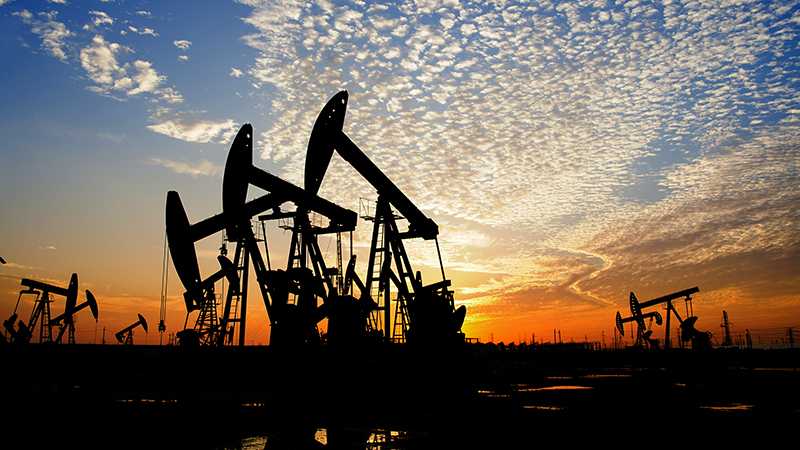
Following several weeks of negotiations and further military strikes only days ago, the oil market is now signalling the end of the conflict has arrived.
The price per barrel of Brent crude tumbled 5.2% to $82, while WTI fell 5.6% to $80. Prices were around $70 per barrel before the conflict began at the end of February, implying that some additional geopolitical risk and supply restrictions are still being priced in for now.
Equity markets have also responded very positively, with the FTSE 100 up 0.25% to 10,496 points and futures prices indicate larger gains for US indices when trading begins this afternoon.
Central to the optimism is the deal facilitating a full reopening of the Strait of Hormuz to shipping. The damage done by the conflict will take time to be unwound, though, and there is a risk markets are getting ahead of reality.
There is also the chance that the deal will be sabotaged in some way and a resumption of hostilities will occur, so investors may tread carefully after the initial enthusiasm fades.
See also: ECB caught between a ‘rock and a hard place’ as it hikes rates
Russ Mould, investment director at AJ Bell: “Markets have finally got the news they’ve longed for since the beginning of March as the end of the Iran war is more clearly in sight,” says
“The framework deal is a major step forward to ending the conflict, although it is still not officially signed and remains light on detail. Markets seem cautiously optimistic there won’t be any setbacks to getting it over the line, albeit investors are aware the narrative can change at the click of a finger. A full celebration is off the cards until the ink is dry on the deal.
“Asian and European markets enjoyed a bounce on the news, but the scale of the advance wasn’t as huge as one might have expected,” Mould continued. “That’s partially down to markets having already bounced back in recent weeks, but it is also because inflation fears won’t suddenly disappear.
“It could take weeks or months to get the Strait of Hormuz fully back into action and even longer to get oil production back up to speed in the Middle East because of the damage to infrastructure. Oil may not be flowing as freely as it did before until at least 2027.
Paul Gooden, head of natural resources at Ninety One, noted the oil market is not out of the woods yet.
He said: “There are still several unanswered questions as the full text of the Memorandum of Understanding will only be published after signing, but we expect this will lead to the eventual re-opening of the Strait of Hormuz, through which around 20% of global oil typically flows.
“A re-opening of the Strait of Hormuz will ease the squeeze on global oil markets, especially as tankers and sea-farers who have been unable to leave the Strait for more than 3 months head for the exit.
“However, it will take several months to fully normalise flows, and we estimate that global oil inventories have shrunk by more than 1bn barrels since the start of the conflict.
“Oil markets will therefore likely suffer a ‘hangover’ for several years as governments seek to rebuild inventories and to insulate themselves from further geopolitical shocks.”
See also: US inflation spike wobbles markets and puts Fed rate rise on the table
Away from the Middle East issue, sentiment is being lifted further by Friday’s SpaceX IPO, which shot the lights out in a way only the most bullish of investors expected. The price leapt from the IPO level of $135 per share to $161 at the close of trading for the week, for a market cap of over $2 trillion.