






Inflation in the US spiked to 4.2% in May, raising the prospect of an interest rate hike at this month’s meeting of the Federal Open Market Committee (FOMC).
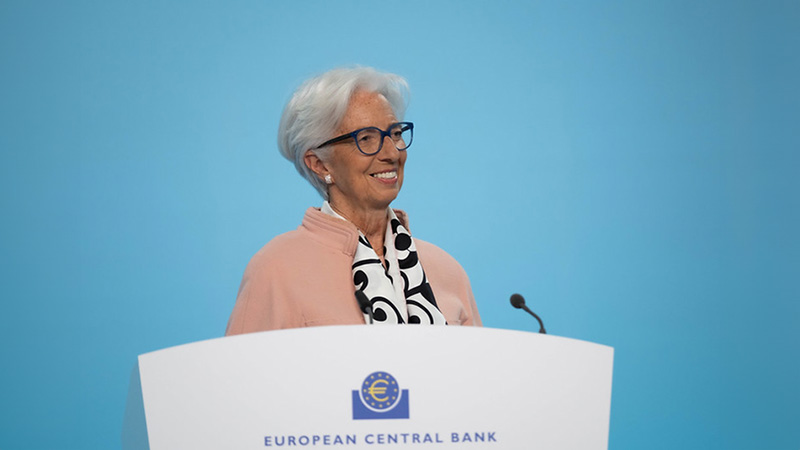
The meeting will be Kevin Warsh’s (pictured) first as chair, but he heads into it with very little room for manoeuvre in terms of loosening policy.
A cut now seems off the table, with a hold at the current 3.5% to 3.75% or a quarter point hike the only likely options.
The war in the Middle East and resulting blockage of shipping through the Strait of Hormuz has played a large part in the rise in prices, with energy costs up over 23% on an annualised basis.
See also: Elevated volatility likely under a Fed led by Warsh
Markets reacted badly to the news, with the main US indices selling off significantly yesterday (10 June), having already been under pressure from a cooling of enthusiasm for AI-related stocks.
Derren Nathan, head of equity research at Hargreaves Lansdown, said: “US stocks suffered a bruising session yesterday as investors winced at the highest headline CPI inflation numbers in three years, and a throwaway ‘I love inflation’ comment by President Trump.
“Taken together with last week’s bumper non-farm payrolls data, there are some signs that the economy can accommodate a higher level of hiring without running red hot. Bond markets took a sanguine view with US 10-year yields broadly flat at 4.5%.
“However, futures are still pointing to a quarter-point rate hike by the Fed towards the end of year. Tech stocks had the worst of it yesterday, with the Nasdaq losing 2% of its value.”
See also: Fidelity: Half of investors look to add UK equities as they rank ‘among world’s cheapest’
Isaac Stell, investment manager at Wealth Club, added: “The reading marks the highest level since April 2023, driven largely by the energy component, which accounted for over 60% of the monthly increase.
“With the conflict in the Middle East showing little sign of resolution, these pressures are likely to feed through into other parts of the inflation basket in the coming months.
“The most logical conclusion from today’s data, combined with last week’s blow-out jobs number, is that interest rates may need to rise in the near term to contain mounting inflationary pressures,” he continued.
“However, with Kevin Warsh now at the helm of the Federal Reserve, the key question is whether he will maintain the prudence and discipline associated with Powell, or in the face of political pressure, relent and take the Presidential view.”
Lindsay James, investment strategist at Quilter, said: “The US arguably has an inflation problem entirely of its own making, and it won’t be easy to resolve it and completely unwind the price rises we have seen this year to date.
“Gasoline prices remain up almost 50% in 12 months in some states, and even if the US and Iran can come to some sort of resolution, the price rises are increasingly looking higher for longer.
“Together with strong jobs data, which came in well ahead of expectations last Friday, that is leading to calls for rate hikes, with a quarter-point rise now priced in by year-end and the potential for more in 2027.”
See also: Emerging market debt: The bull market everyone is ignoring