






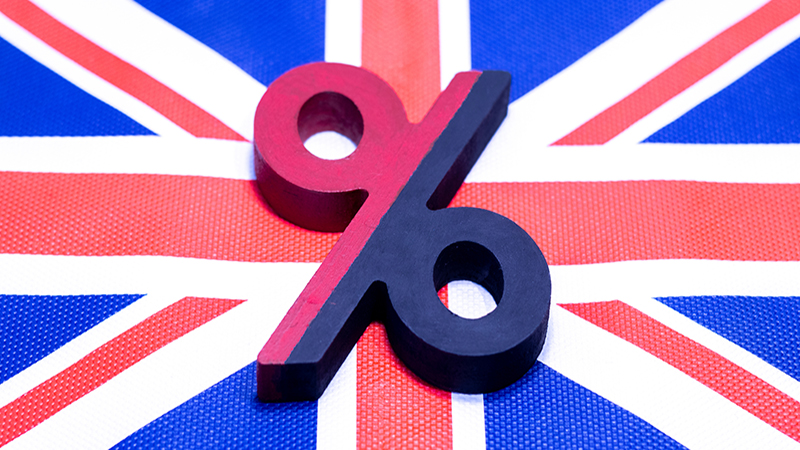

The Bank of England’s Monetary Policy Committee has opted to hold rates at 3.75% in an 8-1 vote, with the dissenter voting to raise rates to 4%.
The announcement noted that the prospects for global energy prices are highly uncertain. “Monetary policy cannot influence energy prices but will be set to ensure that the economic adjustment to them occurs in a way that achieves the 2% inflation target sustainably,” the summary noted.
While CPI inflation has risen to 3.3% and may rise further from here, the labour market has continued to loosen, and a weaker economy could contain inflationary pressures. On top of this, financial conditions have tightened since the conflict began, helping to reduce inflation over time.
“Taking all the risks to the economic outlook into account, the committee judges that it is appropriate to maintain Bank Rate at this meeting.”
Neil Birrell, CIO of Premier Miton, said: “There was never really any likelihood of a change in rates.”
“The domestic political backdrop and the conflict in the Gulf dominate everything; none of it is good, and interest rate policy will be key to how the domestic economy performs,” he continued.
Lindsay James, investment strategist at Quilter, added: “It is no surprise to see the Bank of England choose to hold interest rates where they are.”
Inflation looks set to remain sticky, with third-quarter projections of 3.3%, more than a full percentage point higher than the February Monetary Policy Report, James continued.
“UK gilt yields have risen to levels not seen since the global financial crisis, with the 10-year yield now exceeding the psychologically important threshold of 5%, further pressuring government finances.”
Luke Bartholomew, deputy chief economist at Aberdeen, said that while the decision was expected, “the market was much more interested in how the decision was communicated, especially given the hawkish lurch at the last meeting, which was subsequently walked back.”
While he warned against tightening policy, arguing that the recessionary risks will limit second-order inflation effects, Bartholomew conceded investors might have to expect further rate hikes.
“If oil prices continue to move higher, it is hard to see how the Bank avoids having to hike later this year.”
Meanwhile, Ed Monk, pensions and investment specialist at Fidelity International, warned this could be the “calm before the storm.”
With the market now pricing in as many as three hikes this year, it could put a “hard brake” on an economy that was only forecasted to grow slightly this year, he said.
“It’s not certain, however, that we will see those rises,” Monk continued, “The Bank will be reluctant to raise rates in the face of already slowing growth and will know that higher energy prices can have a deflationary effect on the economy without the need for rate rises on top.”
See also: Powell confirms he will stay on as the Fed holds rates again