






The Bank of England has held the base rate at 3.75% in its meeting today (17 September).
The decision was in line with expectations and comes despite persistently above target inflation.
Committee members were split, with six members in favour of a hold, outvoting three calling for a rate rise.
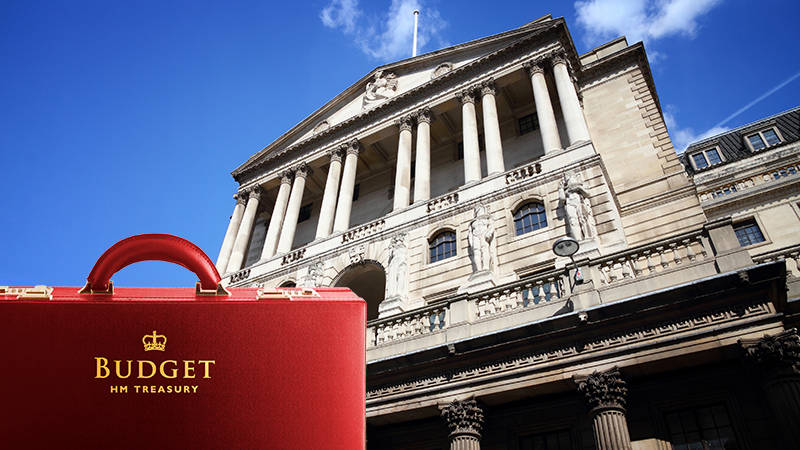
With the October Budget now near, the Bank will soon have new fiscal realities to deal with, and it has kept its powder dry for now.
The bond market is already indicating significant concern over government spending, with gilt yields sitting at highs not seen since the global financial crisis.
The decision to hold rates steady marks a divergence from US monetary policy, after the Federal Reserve raised rates last night.
David Rees, head of global economics at Schroders said: “The Bank was right to hold rates today. The markets may be building a case for an autumn hike, particularly if other central banks are tightening, but monetary policy should be guided by the fundamentals of the UK economy rather than global optics.
“Domestically generated inflation is contained, wage growth is decelerating and unemployment near 5% points to meaningful slack in the labour market. This is not an economy crying out for higher rates.
“The bigger risk lies with fiscal policy. October’s Budget will be crucial. A spending splurge could revive domestic price pressures and bring forward rate hikes, but the strain already visible in gilt markets should make an inflationary fiscal expansion less likely. For now, the Bank has room to look through a temporary energy-led rise in headline inflation.”
See also: Inflation rise to 3.1% further complicates Bank of England meeting
Susannah Streeter, chief investment strategist at Wealth Club, added: “Inflation is the fever central bankers want to bring down, but the Bank of England is holding off administering the bitter medicine of an interest rate hike.
“The UK economy is fragile, and already feeling the chill of sluggish growth and a cooling jobs market, and for now this should offset the risks of steamy energy costs being passed easily through to hotter consumer prices.
“With shoppers worried about rising borrowing costs and bracing for higher bills to land, they may be less likely to spend if price tags become more expensive.
“However, the longer the war with Iran continues to rage and keeps crude and gas prices elevated, the greater the chances of a hike later this year and next, especially if data shows consumer price inflation continues to rise.
Neil Birrell, CIO at Premier Miton, said: “No change from the Bank of England on rates and we will now need to wait until after the Budget for their next decision. The Bank seems to be more relaxed on inflation risks than their international counterparts, although the markets are setting borrowing costs at present anyway.
“With the expectation being for a number of hikes through the end of this year in to middle of next, the gilt market may be more susceptible to a move the other way.”