









Inflation across the UK economy has risen to 3.1%, according to the Office for National Statistics.
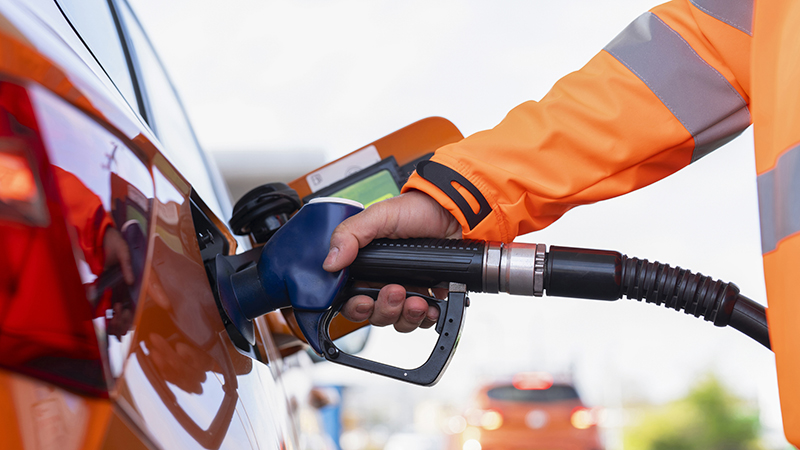
The headline year-on-year figure for August was pushed up from July’s 2.9% by rising fuel prices, with other prices largely unmoved.
The latest rise, while not unexpected, further limits the options for the Bank of England as it meets this week to set rates.
With inflation stubbornly remaining above the 2% target, but other aspects of the economy indicating conditions are too tight, the Monetary Policy Committee has a difficult task. While a hike this week is unlikely, it is firmly on the table for the meetings which follow in the back-end of the year.
Gilt prices continue to be under pressure, further adding to the complex picture for Governor Andrew Bailey and his colleagues.
Andrew Wishart, senior UK economist at Berenberg, said: “Rising energy prices were the sole explanation for the step up in UK CPI inflation in August, in line with the consensus and our own forecast.
“Although the increase left inflation stronger than the 2.8% YoY rate the BoE predicted, the jump in energy prices that caused the forecast error is out of their control.
“The inflation data continues to show few signs of a broader increase in prices that indicates a risk of inflation persisting after the energy price shock fades.
“Nonetheless, we recently added a November hike to our BoE forecast as much higher energy prices than we previously assumed will probably push the Monetary Policy Committee into a reluctant hike on 5 November to guard against the upside risk.”
Danni Hewson, AJ Bell head of financial analysis, said: “Motorists will be hyper aware that prices have been rising at a budget-squeezing rate over the past few weeks.
“Petrol costs hit highs in August not seen since November 2022 after the ceasefire between Iran and the US collapsed and fears over oil supplies hit the headlines once again.
“People are already trying to cut back on the number of trips they make. The latest data on grocery sales from Worldpanel by Numerator showed 18 million fewer visits to supermarkets in the last tracked period.
“Holidaymakers were also impacted by rising airfares, with many families putting off booking until the last minute because of concerns earlier in the year about potential flight cancellations,” she continued.
David Rees, head of global economics at Schroders, added: “Today’s figures confirm UK inflation is likely to rise further in the months ahead, as higher energy, manufactured goods and food prices work their way through the economy.
“But this is not yet a repeat of the 2022 wage-shock. The economy is not running hot, the labour market remains loose and wage growth is slowing. That should limit the extent to which imported price pressures become embedded in domestic wages and prices.
“As a result, the Bank of England has grounds to resist market pricing for interest rate hikes this year. It can look through a temporary global inflation shock while there is still sufficient slack in the economy to prevent it becoming a domestic one.”
See also: Stockmarket shaken by stark AI warnings and rolling oil crisis
Hardeep Khangura, fixed Income portfolio manage at SEI, said: “We expect the Bank of England to keep interest rates unchanged this week, maintaining its cautious wait-and-see approach.
“However, with rising oil prices and the UK’s elevated reliance on imported energy, bond markets may become increasingly impatient if governor Bailey does not accompany the decision with a clear and sufficiently hawkish tone.”
Peter Goves, head of developed market debt sovereign research at MFS Investment Management, had a similar take.
“We have high conviction that the BoE will keep bank rate unchanged at 3.75% next week, most likely by a 6-3 vote, with Pill, Greene and Mann again dissenting in favour of a 25bp hike,” he said.
“The majority still appear to prefer a ‘wait and see’ mode rather than pre-emptive tightening, which appears to be Greene’s preference. Services inflation has continued to ease, private-sector pay growth is running around 2.8%-3%, and there is still limited evidence that the renewed energy shock is feeding into broader prices or wages.
“However, the meeting is likely to sound more cautious than July because oil and gas prices have moved close to, and in some places above, the BoE’s adverse energy assumptions. September is therefore unlikely to deliver a hike, but November will likely be kept open once the MPC has new forecasts, more wage and inflation data, and the Budget behind it.”