










Since 2020, markets have been whipsawed by everything from a global pandemic to multiple international wars and sudden sell-offs, leaving many investors struggling to find their footing.
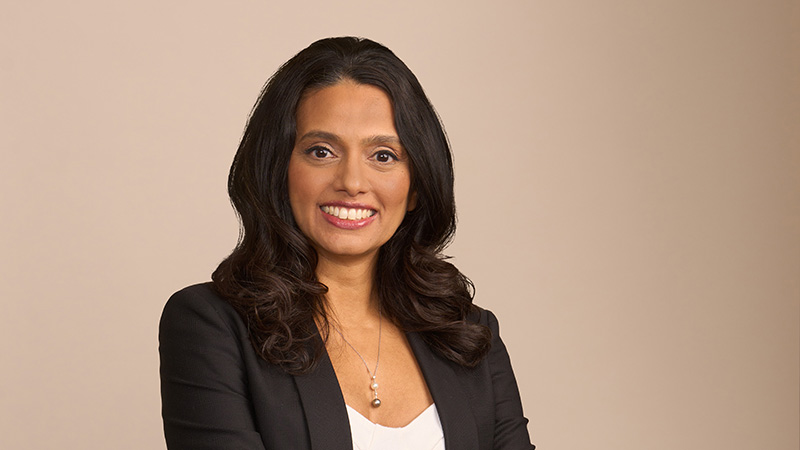
For Ben Conway, co-manager on the Hawksmoor multi-asset range, navigating this has demanded a cautious approach.
“Our default position is to be permanently worried; that’s why diversification is so important to us,” Conway told Portfolio Adviser.
Heading into 2026, the manager expressed concerns about a “systematic fragility” in markets that many investors are unprepared for.
Part of this, he said, was due to the amount of money which had shifted from active funds to passive funds. While passively allocating money made sense in a world where most “active managers had, in aggregate, underperformed”, if too much money is shifted to trackers, markets will no longer work as they should, he said.
See also: Morningstar: Only 14.2% of active managers beat passives over the past decade
“At some point, there will be too much money allocated passively, and it will happen much sooner than people think.” The fact that small caps have been so discounted for so long and do not seem to be rerating upwards is evidence of this fragility, he added
In this market environment, investors could be exposed to “left-field” events such as valuation gaps closing or money leaving passive funds due to a sudden macro shock.
“What happens in that world, and which assets will be the ones that get hurt the most?” Conway asked. “Is it going to be the bigger cap things because that’s where all the money goes in, as opposed to those smaller and less liquid assets?
“How do you prepare the portfolio for an event that has never happened before, and for a left-field event you can’t expect? That’s what we’re always focused on.”
This is why diversification is so important to the team, which they have attempted to improve this year with the addition of hedge fund BH Macro, which should “benefit when there’s interest rate volatility.”
See also: In a volatile world, diversification must go beyond 60/40
This should help insulate the portfolio against volatility from other assets and offer a good margin of safety, due to the 6% discount and share buyback programme, he said.
“This is the type of investment that makes our portfolio more robust against that sort of seismic event I’ve just described.”
This more cautious approach has paid off for the Hawksmoor Vanbrugh fund, which has been in the top quartile of the IA Mixed Investment 20% – 60% shares sector over the past one, three, five and 10 years.
‘Who cares about volatility in the gold price?’
However, while this is a generally cautious approach, Conway and his team are still finding opportunities to benefit from short-term volatility.
For example, gold had a phenomenal year in 2025, as the S&P GSCI Gold Spot shot up 51.3% in sterling terms. However, 2026 has been more volatile for the precious metal, which slid by 11% in a single day following the announcement of Kevin Warsh as the new chair of the Federal Reserve.
Currently, the gold price is hovering around $5,100 per ounce, as investors digest the ongoing conflict in Iran.
While some investors have become nervous, Conway has remained undeterred and “fully weighted” to precious metals and mining equities (4.5% and 3.5% allocations respectively).
See also: Are precious metals losing their shine for investors?
“Volatility only matters if you think the price of gold is going to go down and stay there,” he said. “If you watch the gold price rise sharply in a week, then fall and then rise back to normal, who cares? Your time horizon should be longer than a week.”
If an asset remains attractive and offers a margin of safety even if the team is wrong, then the Hawksmoor team will remain comfortable owning it.
For gold, central bank buying is still broadly supportive, driven by the knowledge that they’re limited by fiscal policies and levels of government debt, which is an attractive starting point for gold, he said. Coupled with ongoing debasement in the fiat currencies, such as the dollar, “the setup is still very good for gold” as a defensive asset in these volatile periods.
Meanwhile, precious metal equities still seem undervalued, even after the team’s precious metals holdings shot up 180% last year, Conway explained. He argued that stocks are pricing in a gold spot price that’s “maybe $2,000 lower than it should be”, which offers a tremendous margin of safety.
“We went into this year and asked ourselves whether our view on gold was as bullish as it was before, and the answer was yes,” Conway said.
See also: ‘Spoilt for choice’: Why Hawksmoor’s Conway keeps becoming more bullish on UK equities