



Domestic instability and geopolitical conflict pushed the 10-year gilt yield to a record high of 5.17% this year, a seemingly attractive opportunity on a supposedly low-risk asset.
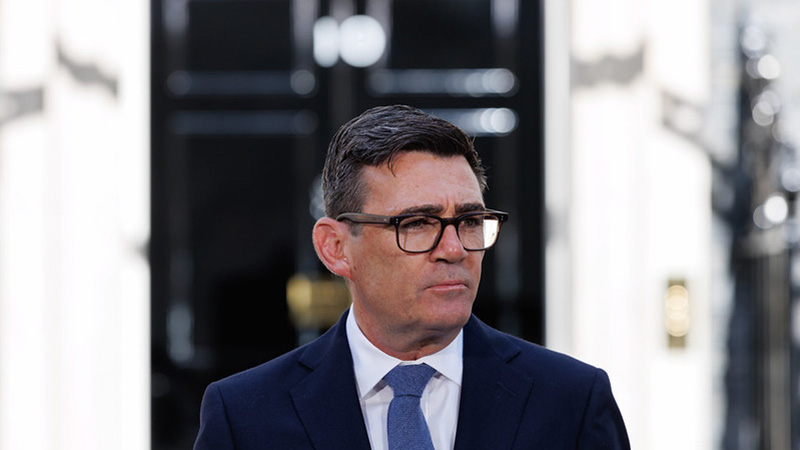
Yields have proven volatile recently, sliding as geopolitical conflict has cooled before rising again moderately on Friday, following Andy Burnham getting closer to 10 Downing Street. Gilt yields remained roughly flat starting off the week, as markets shrugged off the widely expected news of Keir Starmer’s resignation as prime minister.
However, even if yields spike again, there is a range of funds delivering the same or better yields, while also bringing the potential for capital growth.
This article is the second in a two-part series, examining income funds yielding in line with or above the 10-year gilt. For this article, we have taken our cut-off at exactly 5.17%, the height of the 10-year so far this year, according to Trading Economics. We have also removed any funds with a blank yield according to FE fundinfo data.
We have also only selected funds that have paired this yield with a top-quartile total return in their respective sector over the past decade.
See also: The UK equity income strategies delivering high yields while beating peers
IA Sterling Corporate Bond
Kicking off with the largest sector of the bunch (in terms of number of constituents), five funds matched our criteria.
Yields ranged from exactly 5.17% on the Royal London Sterling Credit fund to 6.07% on the Aegon investment grade bond fund.
However, the fund that led in terms of total returns was the Schroder Sterling Corporate Bond fund, which paired a 54.1% 10-year return (the second-best in the sector) with a 5.67% yield.
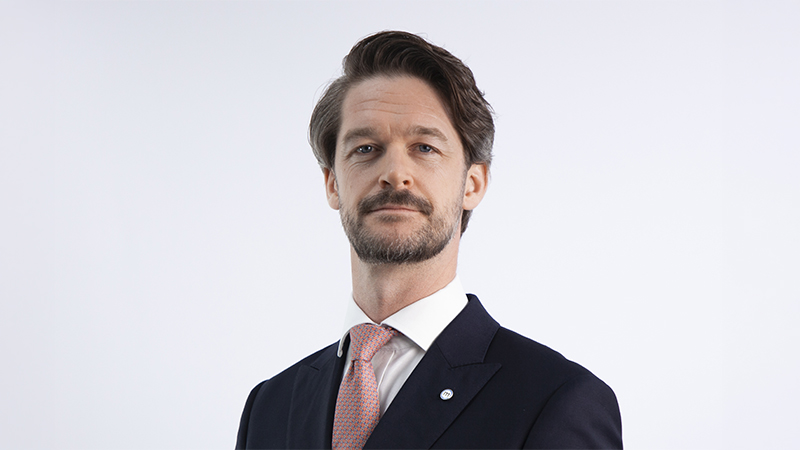
Managed by Julien Houdain and Martin Coucke, the fund aims to provide income and capital growth above the Bank of America Merrill Lynch Sterling Corporate & Collateralised index.
Analysts at Rayner Spencer Mills Research (RSMR) noted the large global credit platform and the experienced fixed income team at Schroders were a key differentiator for the strategy.
“The fund is still relatively small, which provides it with a degree of dexterity that its larger competitors do not have,” analysts added.
The other funds to qualify in this sector included the Rathbone Ethical Bond fund and the Liontrust Sustainable Future Monthly Income Bond fund.
IA Sterling Strategic Bond Sector
In the Strategic Bond sector 11 funds matched our criteria.
Top of the table is the Aegon Strategic Bond fund, which paired a 6.72% coupon with a 57.1% total return. Managed by Alexander Pelteshki and Colin Finlayson, it has received an AA rating from Titan Square Mile.
The analysts noted that although the two managers have only been in place since the end of 2018, they have been willing to take more high-conviction positions than previous managers, which has contributed to the stronger recent performance.
According to FE fundinfo data, from 2019 to the end of 2025, the fund ranked in the bottom quartile just once (in 2022).
Analysts said: “We believe that the credit expertise from Pelteshki and the macroeconomic expertise from Finlayson are extremely complementary to each other.
“Moreover, their long term involvement in the strategy [Finlayson since 2011 and Pelteshki since 2015], alongside their passion for fixed income investing and their clear motivation to make this strategy a success, makes them well positioned to manage the fund.”
However, the fund with the highest capital growth was the Royal London Sterling Extra Yield Bond, which paired a 92% total return with the third highest yield on the shortlist.
This was the best total return in the sector over 10 years, outpacing second place (and fellow high yielder) Jupiter Monthly Income Bond by almost 27 percentage points.
See also: BNY shuts Index-Linked Gilt fund after assets shrink to £3.8m
IA Sterling High Yield Sector
Finally, in the high yield peer group, just four funds made the cut: Schroder High Yield Opportunities, Aegon High Yield Bond, Invesco High Yield Bond and AXA Global High Yield.
In this sector, top performance and top yielding were shared by the same fund – Schroder High Yield Opportunities. Led by Daniel Pearson since September 2018, the fund aims to provide an income and capital growth of about 4.5% to 6.5% per year.
Currently, it has a 7.5% income and a 75.8% total return over 10 years, outpacing the sector average by more than 20 percentage points.
The fund seeks to outperform primarily through alpha generation using the Schroder team’s extensive resources, without reliance on macro/top-down beta, sector, or duration bias.
Analysts at RSMR said: “The integration of the stock analysis with the broader investment process is a major differentiator from the competition.
“It means that research and investment ideas are shared to understand the business models of issuers, through understanding the structure of the issuer, the supply chains, financing, revenue streams, customer bases, manufacturing processes, research and development, governance, and management styles.”
They have rated the fund since July 2017, which they attributed to Schroder’s strong team, diversified themes and use of proprietary research to avoid value traps.
See also: Aegon’s Jones and Lynch: Why are gilt yields climbing?