

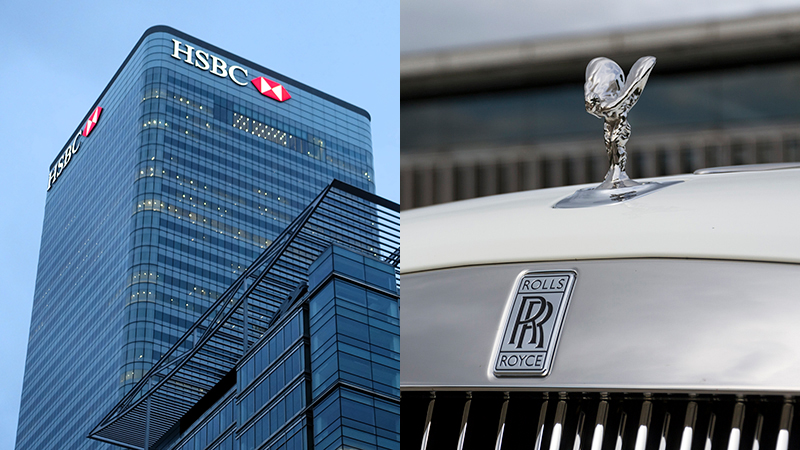



Temple Bar Investment Trust pointed to the absence from the portfolio of strongly performing HSBC and Rolls-Royce as a ‘key factor’ in undershooting its benchmark in the first half.
Portfolio managers at Redwheel also noted that the first six months of 2026 were dominated by the market impact of the conflict in the Middle East and related energy price volatility.
During the six months to 30 June 2026, net asset value (NAV) per share with debt at fair value total return was 5.4%, and the share price total return was 5.2%.
This compares with a total return of 7.2% from its benchmark, the FTSE All-Share Index.
The trust noted an uptick in performance at the start of the second half, with year-to-date NAV per share with debt at fair value and share price total returns are 15.1% and 14.1% respectively.
The trust’s biggest holdings are BT Group, NatWest Group, Marks and Spencer, Shell and BP.
Turning to the outlook, the trust noted the geopolitical environment in the Middle East remains uncertain, causing continued volatility in energy prices and keeping interest rates ‘higher for longer’.
See also: Equity overweight surges to highest level since 2021 in BofA survey
Temple Bar also said there appears to be a likelihood of rising taxes in the UK following the change in Prime Minister.
However, the portfolio manager believes that equity valuations already reflect a cautious outlook, outside of AI-driven investments.
The portfolio is currently valued at around 11 times earnings, a ‘meaningful discount’ to the wider UK market, and around half the valuation of wider global equity indices.
The managers also added a note of caution. They pointed out the high level of takeovers being seen in the UK is reducing the number of investable companies.
The portfolio managers said they continue to believe the opportunity set is large enough with a permit of up to 30% of assets to be invested in businesses listed overseas, but will monitor the trend in case a change of approach is needed.