







Some 87% of fund selectors expect ESG and sustainability allocations to rise, according to a recent survey from Rathbones.
The survey, which interviewed 100 UK IFAs, discretionary fund managers, private bankers, and investment fund selectors, found 61% expected a slight rise, while a further 26% anticipated a “significant rise” in sustainability allocations.
Many respondents had already integrated ESG and sustainability holdings within standard portfolios, with four in five holding between 11% and 25% in these sectors. However, the survey also found that only 3% allocate more than 25% of their portfolio to ESG assets, suggesting that further growth is possible.
See also: Cover story: Have we reached peak anti-ESG?
The survey also found that investors have increased exposure to ESG and sustainability over the previous year, defying both volatility and a hostile political context in the US. Some 54% of respondents indicated a slight increase in exposure, while 5% report a significant increase, and 38% report no change. By contrast, just 3% report a decrease in allocation.
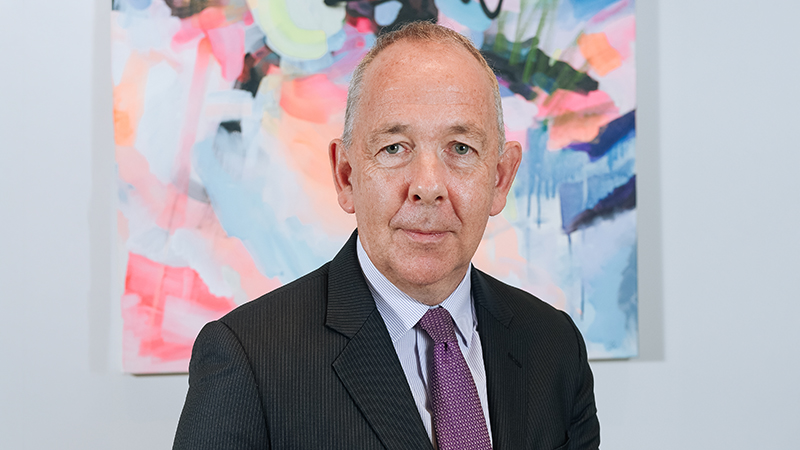
David Harrison, head of sustainability at Rathbones Asset Management, said: “The findings suggest fund selectors are looking through the short-term noise around ESG and continuing to focus on the long-term role sustainable investments can play in client portfolios.”
The survey also highlighted that 94% of respondents preferred active management in ESG and sustainability-based portfolios, with 15% indicating it was the primary reason for selecting a fund.
Harrison added: “For many fund selectors, active stewardship is becoming a key test of credibility. Voting and engagement give managers a way to demonstrate how they are using their influence on behalf of clients, rather than simply offering exposure to a sustainable theme. In a more scrutinised market, that distinction matters.”