





Model portfolio services (MPS) have become a major feature of the investment landscape, with roughly 42% of firms outsourcing to DFM MPS in 2026, according to research by Morningstar Wealth and the Lang Cat earlier this year.
Increasingly, asset managers have thrown their hats into the ring by launching more new offerings, with names such as Fidelity International, Julius Baer and Vanguard all having launched model portfolios this year.
Advisers believe the adoption of MPS by firms still has plenty of room to run, with Morningstar research suggesting almost half of advisers expect MPS usage to rise further. By contrast, just 3% of respondents at the time predicted a decline in their usage.
See also: Morningstar and Lang Cat: Half of advisers expect further growth in MPS usage
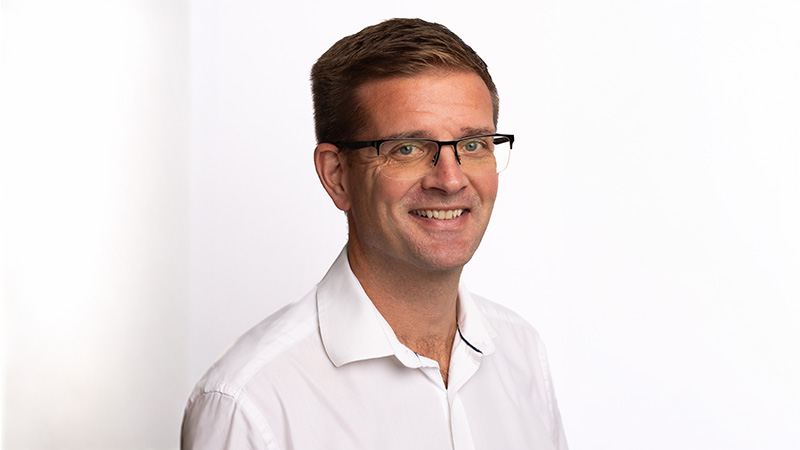
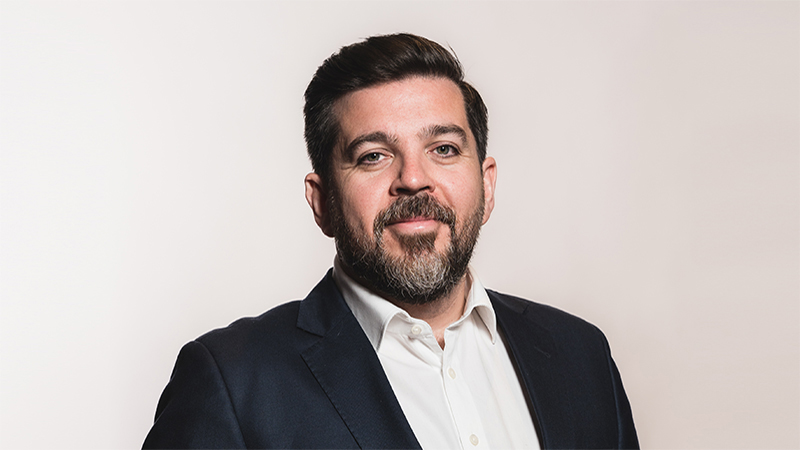
For Mark Sanderson (pictured), managing director at Morningstar Wealth, the MPS market is set to keep rising because they are a response to a gap in the advisory market.
“I think the rise of MPS is a reaction to a very sophisticated, mature and vocational advice market,” he told Portfolio Adviser. “Advisers have become far too maligned and misunderstood.”
Investors developed the impression that advisers were there to provide financial advice, manage portfolios, speak to clients, chase providers and so on, he explained. This has meant advisers have a ‘time problem’ that has prevented them from doing their jobs effectively, he argued.
“I often joke about it, but I think advisers are 90% of the time meant to be clinical psychologists and 10% of the time meant to be financial planners,” Sanderson said.
Advisers are meant to guide their clients behaviourally, to encourage them to talk about their goals, their fears about retirement, and how they should stay the course through periods of volatility, he added.
Caroline Shaw and Graham Folley, the team behind Fidelity’s Wealthbuilder MPS, also noted clients want a smooth, low-volatility journey.
“For most clients, success is not just about returns, but staying invested through volatile periods and avoiding large drawdowns that trigger poor behavioural decisions,” they said.
Part of this can be achieved through the actual asset allocation of the MPS, by maintaining a focus on diversification or downside protection with alternatives, they said.
However, when investors face significant stress in their personal lives, they struggle to deal with financial volatility, according to Morningstar’s Sanderson.
“People can be invested in a well-balanced portfolio, but sometimes the market is just volatile,” he said.
“Investors conflate risk and volatility all the time; often things that are volatile but not risky are the things they’re most scared of,” he added. This is ultimately a comfort issue, and this is where advisers really add value, Sanderson said.
See also: Charles Stanley: One-third of IFAs switch to MPS for portfolio construction.
“When I talk for ages with clients, we don’t talk about markets, we don’t speak about allocation, we speak about their lives, how to get where they want,” Sanderson said.
“Truly understanding your customers is the most important thing for an adviser,” Sanderson continued.
Outsourcing portfolio construction to an MPS can free up time for advisers to do more of this behavioural part of the job, which is where they add value, Sanderson said.
“Advisers have really found their voice in terms of the value they are providing, and they’ve been able to articulate that, but they need more time to do that,” he added.
“They need to not worry about portfolio construction for that.”
“I’m generalising a bit here, but I think the notion that advisers suddenly want to triple their customers is off,” the Morningstar Wealth CEO said. “The scale is the time and quality that advisers can spend with these people, not the amount of people.”
See also: Fidelity International to launch three MPS ranges in April
That said, while the rise of MPS is helping advisers do more of their job, there are still limits on their implementation according to experts.
“Platforms and MPS offerings are symbiotic – they must co-exist,” the Fidelity Wealth Builder team said. “Advisers see platforms and MPS as a single combined ecosystem, not platform plus MPS, but platform and ecosystem,” Sanderson added.
And yet, plenty of platforms still do not operate in this way. Steve Owen, head of EMEA proposition at Morningstar Wealth, noted earlier this year that some platforms still administer MPS as if they are “loosely connected funds in a trench coat”.
In Morningstar’s research earlier this year, 20% of respondents said platform limitations would be one of the biggest limits on further adoption of MPS.
“I don’t think that’s a willingness problem on the part of platforms; I think it’s an ability problem,” Sanderson said.
Many platforms are based on an old system of individual portfolios and are now trying to retrofit their models to fit what advisers want, he said.
“I think there’s a desire to change that, I really do,” Sanderson said.
See also: AJ Bell cuts core MPS fees