








Volatility is set to be the theme in UK and global financial markets this week, with both foreign and domestic crises continuing.
The ceasefire between the United States and Iran in the Middle East expires formally on 22 April. Both sides have claimed the other has already violated it, with the US Navy seizing an Iranian cargo ship in the Strait of Hormuz.
Despite this, and a fresh barrage of social media threats from US President Donald Trump, the two sides were due to meet again in Pakistan today (20 April) in another effort to strike the deal that has so far eluded them. This plan has since been put on ice, but the situation could quickly change again.
As ever, the oil price has reflected the probability of a deal being reached relative to a resumption of the war. Prices climbed back towards the $100 mark, undoing some of the large falls seen on Friday prompted by hopes of a deal.
As of mid-morning on Monday, Brent was up 4.8% to $94 a barrel, while WTI climbed 5.7% to $89.
The FTSE 100 was also hit by the negative sentiment, falling 0.6% to 10,603 points. S&P 500 and Nasdaq futures indicated a similar opening to trading in the United States this afternoon is on the cards.
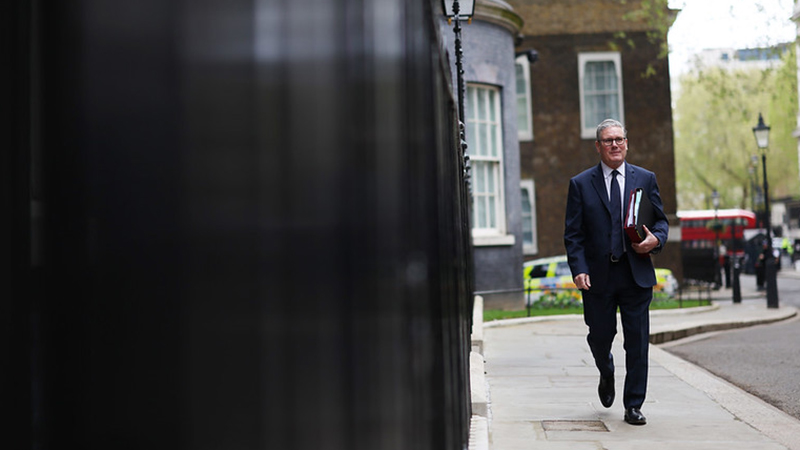
Adding to the complex picture for UK markets in particular is the scandal prime minister Keir Starmer is embroiled in over the appointment of Peter Mandelson as ambassador to the United States.
Starmer faces questions in parliament this afternoon and it is far from certain whether he will still be in office by the end of the week.
The uncertainty over this and the related matter of who would replace him if he is forced out may impact the pound and the gilt market as the week progresses.
See also: UK economic growth tops forecasts but impact of war yet to be seen
As of this morning 10-year gilt yields are up 0.8% to 4.8%, close to the recent highs of a tick under 5%. The pound is only very slightly lower so far on Monday at $1.35.
If that was not enough to keep investors on their toes, an earthquake with a resulting tsunami struck near Japan, with the full impact yet to become clear.
AJ Bell investment director Russ Mould, said: “It appears last week’s market enthusiasm over the Strait of Hormuz reopening may have been premature.
“Events over the weekend have left the ceasefire between Tehran and Washington looking as fragile as ever.
“The Strait was open for just a day before the US seizure of an Iranian vessel. The continuing blockade of the country’s ports over the weekend created a cloud of uncertainty over whether the next round of peace talks will go ahead and saw shipping from the region disrupted once more.
“Brent crude oil prices, which briefly dipped as low as $86 last Friday, are firmly back above $90 per barrel. Though they stopped short of the $100 mark which rings alarm bells for the global economy.
“Asian shares rebounded as they were in catch-up mode, having missed the rally seen in the US and Europe on Friday,” Mould continued. “European indices presented a truer picture of the market mood, with investor wariness and weariness amid the continuing tensions in the Middle East.
“The FTSE 100 was spared losses of the scale seen elsewhere thanks to the higher oil price lifting shares in BP and Shell, and the UK market’s roster of more defensive names from the utility and tobacco sectors.”
See also: Buyback bonanza could signal floor for quality stocks