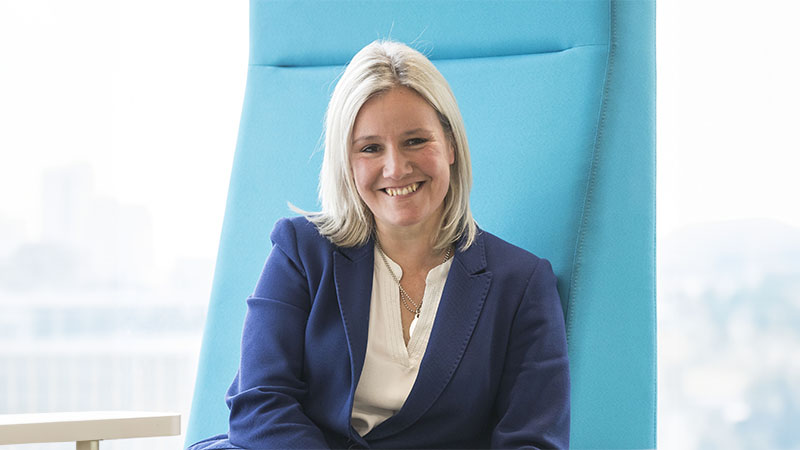




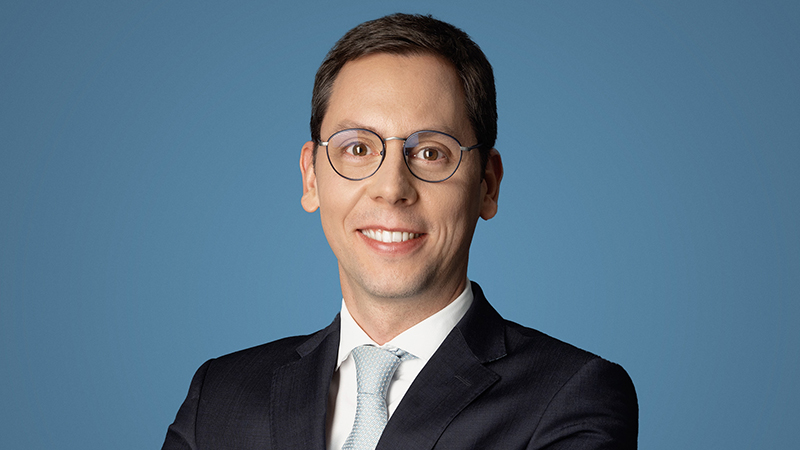

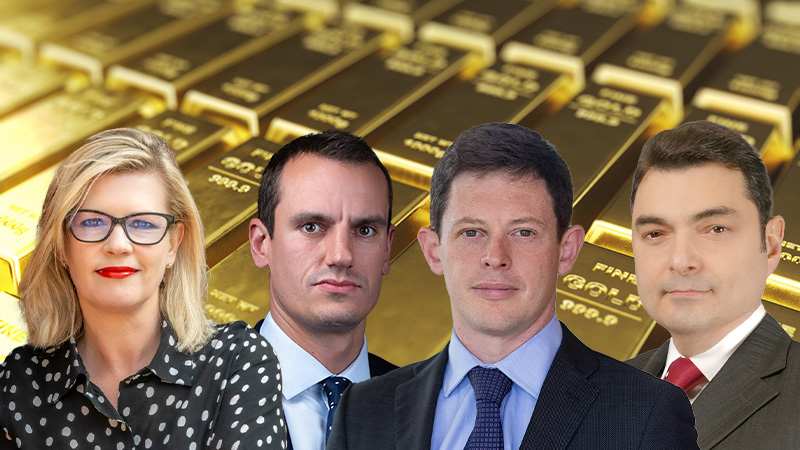
The research director’s view: Juliet Schooling Latter, research director, FundCalibre
A recent frenzy in gold and silver flooded the market with short-term speculators. This can muddy the long-term investment case, with parabolic price moves disguising what is a structural shift in precious metals and commodities.
Since 2022, central banks have dramatically increased gold purchases, reflecting a desire to diversify reserves away from US Treasuries. Foreign governments and central banks hold more than $10trn (£7.4trn) in foreign reserves, most of it parked in US dollars, yet their ‘extra’ gold buying since 2022 totals only around $100bn, equating to roughly 1% of reserves. This suggests the trend still has significant room to run.
The structural case for other strategic metals such as silver, nickel and copper is also robust, with markets facing persistent supply deficits. Resolving those imbalances will require either a major increase in supply, which is extremely difficult given the long lead times for new mines, or demand destruction, which would likely require meaningfully higher prices over time.
In the short term, further volatility is likely. But longer term, decades of underinvestment in new supply, deglobalisation-driven stockpiling, US dollar debasement, and the buildout of AI and electrification infrastructure, all reinforce the case for commodities as a strategic, long-term allocation within portfolios. Ongoing geopolitical tensions only strengthen that argument, as major powers such as the US and China increasingly prioritise securing access to critical resources and supply chains.
It is worth remembering commodities remain close to their cheapest valuations in history relative to stocks and bonds. We view the WS Amati Strategic Metals fund as well positioned for the next phase of mine development and exploration. For investors seeking broader real asset diversification, Cohen & Steers Diversified Real Assets offers exposure across commodities, natural resources, infrastructure and real estate.
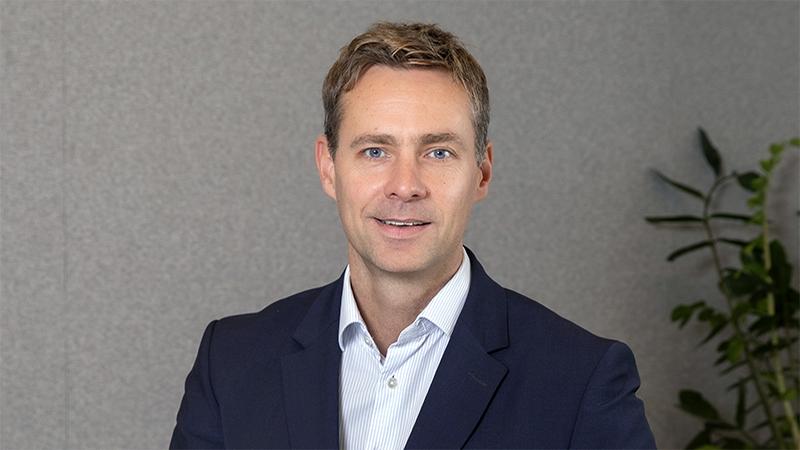
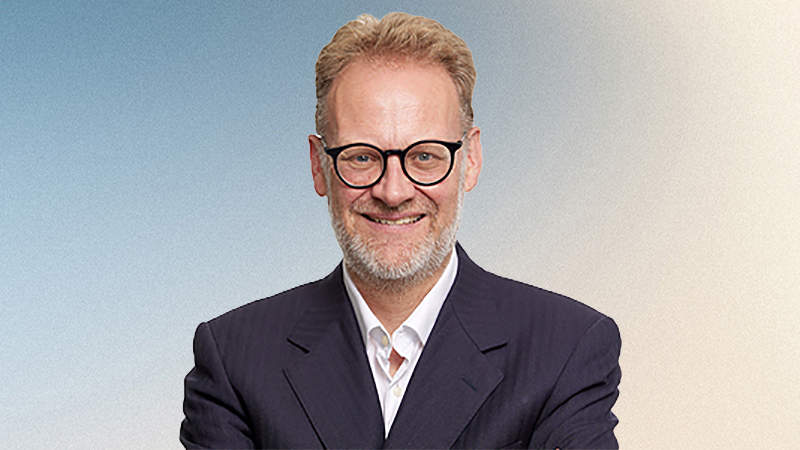
The wealth manager’s view: Jonathan Unwin, head of UK investment, Mirabaud Wealth Management
Having increased our gold position in portfolios from 2.5% to 5% at the start of 2025, we have captured significant performance from the yellow metal, regularly taking profits to maintain our 5% allocation as the gold price has continued to rise.
However, the sharp price rises we saw at the end of January were clearly unsustainable, with gold behaving more like a speculative asset – and silver behaving like a leveraged version of gold. This has been reflected in the sharp correction we have seen. Our primary use for gold is as an alternative, diversifying holding within the context of a traditional equity and fixed-income portfolio, rather than a directional bet – so when the price starts to move like any other momentum-driven asset, it actually starts to lose its appeal.
We continue to believe gold has a valuable role to play in portfolios and its track record of preserving wealth dates back centuries. The structural long-term investment case also remains strong, with central banks looking to diversify their reserves away from dollar-denominated assets in the face of a more volatile and multipolar geopolitical landscape, and we think the price will rebound past the $5,500 mark in the medium term.
The wider commodity metals market also looks set to benefit from the general diversification away from US dollar assets and the ongoing debasement trade, but will be more susceptible to shorter-term supply/demand dynamics – which makes it a more opaque long-term holding. As such, we prefer to get exposure to gold via a physically-backed ETF, which with the impracticalities of buying real gold bullion is more reassuring than the synthetic alternatives.
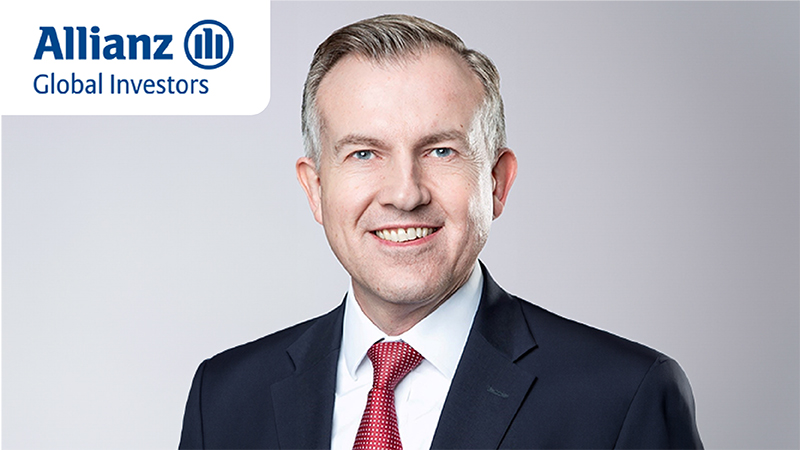
The multi-asset manager’s view: Alastair Baker, multi-asset portfolio manager, Sarasin & Partners
The regime we operate in dictates how we should value assets and allocate capital. Following the pandemic in 2020, we transitioned from the post-global financial crisis period of secular stagnation, where we had tepid growth, to an era of global fragmentation. Global fragmentation is when a breakdown in global co-operation leads countries to pursue more hard power. To support this transition, they operate loose monetary policy alongside high fiscal spending. This results in higher levels of inflation and a preference for physical assets.
This is increasingly mainstream. Mark Carney stated in late January at Davos: “We are in the midst of a rupture, not a transition … as a result, many countries are drawing the same conclusions that they must develop greater strategic autonomy, in energy, food, critical minerals, in finance and supply chains.”
As trust declines, we will see reduced financial integration, with real assets such as gold, and potentially digital assets, forming a greater part of the financial system.
We are seeing evidence of this as central banks increasingly prefer to hold gold rather than US Treasuries.
The need to increase defence spending, as well as the AI boom’s insatiable demand for electricity, is putting upward pressure on the demand for industrial metals, in particular copper. The stalled tie-up between Glencore and Rio is evidence that mining executives see the strategic need to acquire copper assets and invest in them to drive future growth.
In this regime, we expect these trends to continue and reinforce each other. While it was right to largely ignore commodities in the previous regime, investors may miss out on meaningful opportunities if they do so during this one.
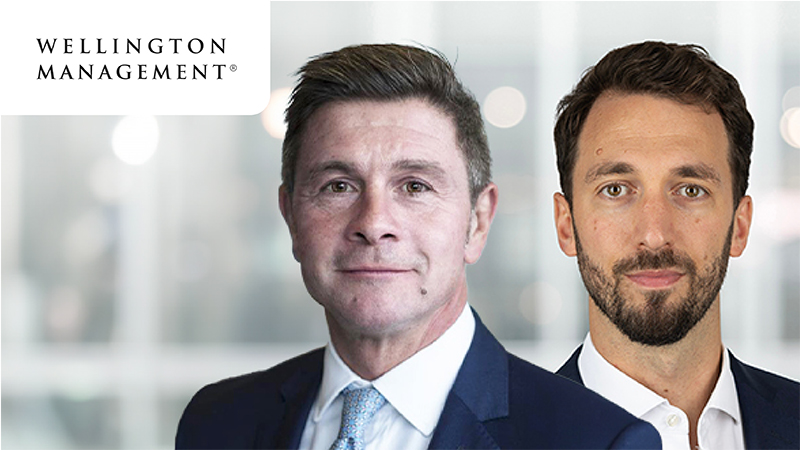
The fund manager’s view: Hakan Kaya, manager, Neuberger Berman Commodities fund
The investment case for commodities remains compelling. Inflation is proving persistent, governments are running large deficits and many resource markets remain short of supply. In this environment, precious and industrial metals offer some of the best upside potential.
Gold has already performed well, but key supports remain. Central banks continue to buy at levels well above long-term norms, led by emerging-market reserve managers trimming US dollar exposure. Investor positioning in futures is not stretched, so demand could broaden if markets refocus on debt sustainability, swings in long-dated bond yields, or renewed doubts about monetary policy credibility.
Within precious metals, silver, platinum and palladium add different dynamics. Silver is increasingly tied to solar panel installations and wider electrification spending, keeping industrial demand firm. Platinum and palladium supply is tight and concentrated in Russia and South Africa, where rising costs, unreliable power and declining ore quality constrain output. Meanwhile, auto-catalyst demand – especially from hybrid vehicles – provides a steady base of consumption.
In base metals, tightness is most evident in copper, aluminium and tin after years of underinvestment and depletion. Copper is essential for electrification, grid upgrades and the power needs of AI-driven data centres, yet new mine supply is slowed by lower ore grades, permitting delays and political risk. Aluminium production is limited in places where electricity is costly or unreliable, or where emissions rules restrict smelters, just as demand grows from lighter vehicles, transmission buildout and renewable-energy equipment. Tin is a smaller market but vital for solder in semiconductors, electronics and solar modules; concentrated, disruption-prone supply leaves inventories vulnerable.
Taken together, these metals combine scarcity, inflation resilience and demand trends, making them among the most compelling risk-reward opportunities within commodities.