







Fidelity treats itself to a Thai spa
Asian stocks posted exceptional performance in 2025, with the MSCI AC Asia ex Japan index surging 23.2% in sterling terms, outperforming the global MSCI ACWI, which was up 13.9%, according to FE fundinfo data.
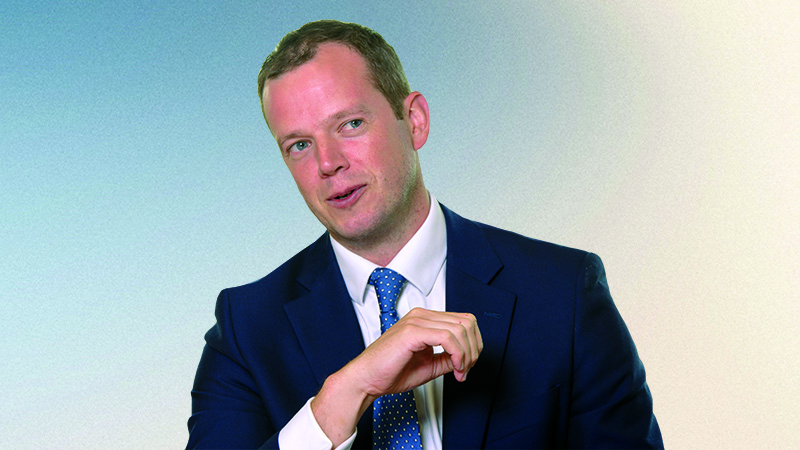
While it can be easy to get swept up in the excitement of the larger-cap stocks, given the interest in themes such as AI and technological innovation, Nitin Bajaj, manager of the Fidelity Asian Values investment trust, says he believes the most attractive opportunities in Asia are currently in cheap small caps.
Indeed, according to recent research from Fidelity, small-cap value stocks in the Asian market have beaten most other market segments since 1996.
“The lesson from 30 years of data is simple,” Bajaj said in a recent Fidelity research note. “In Asian small caps, paying a reasonable price for a good business with good people has mattered more than chasing the highest predicted growth rate.”
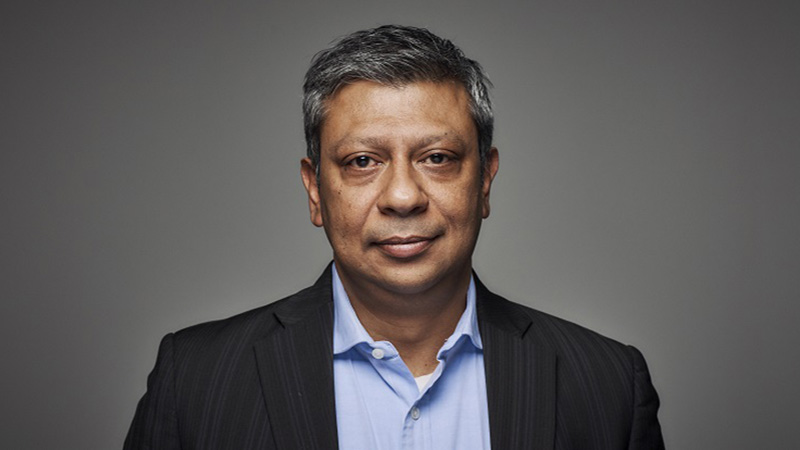
Bajaj identifies Thai massage and wellness chain Siam Wellness Group as a particularly exciting opportunity. Thai businesses are closely tied to Chinese tourism, with visitors from China representing the region’s “largest inbound tourist group” and typically spending more per capita than many other visitor cohorts.
“Yet in 2025, overall international tourist footfall into Thailand was considerably weak, mainly due to a decline in Chinese tourists after safety concerns were triggered by cross-border relations with Myanmar,” he said. As a result, the stock price fell by nearly half, sliding from thb5.75 at the start of the year to thb2.8 by June 2025.
However, this market reaction reflected short-term uncertainty, instead of a decline in long-term fundamentals, which made it an “attractive entry point” for the Fidelity team.
Chinese consumption has “proven resilient in recent years” and there are already early signs of a resumption in international tourism to Thailand, Bajaj said. “The addressable market of Thai tourism and wellness is expected to grow around 6% CAGR [compound annual growth rate] over the next few years, providing a structural growth tailwind.”
Siam Wellness is well positioned to take advantage of this tailwind because it has several advantages that help set it apart from the 10,000 competitors in the Thai wellness space.
While other companies in its market tend to be unbranded, Siam Wellness has a portfolio of recognisable wellness brands, including its signature massage centre, Let’s Relax, in Bangkok and other popular tourist destinations.
On top of this, wellness companies do not have standardised quality for therapists, but Siam Wellness has three in-house therapist training schools. This ensures the company maintains a steady number of well-trained therapists and a consistent level of service.
“The quality therapists, as well as the ambience of the stores, allow Siam Wellness to have pricing power and generate 20% return on equity,” said Bajaj. “This combination of strong brand recognition, fragmented industry structure and favourable tourism dynamics positions the company well to consolidate market share.”
Buffettology’s ‘perfect example in action’
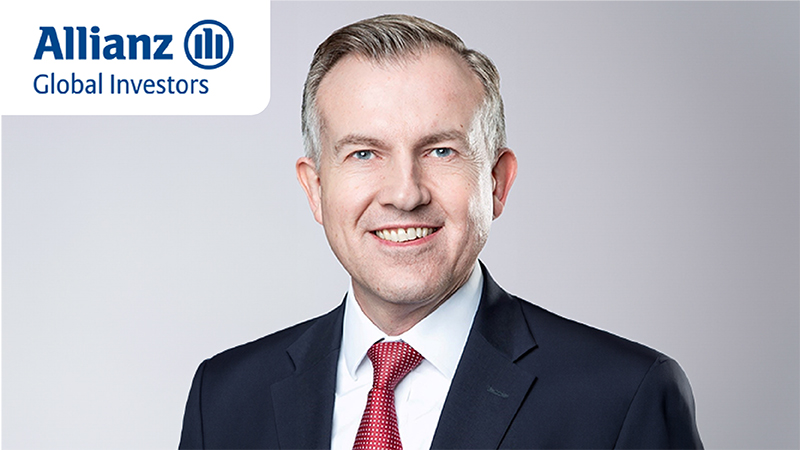
The £218m Sanford DeLand UK Buffettology fund has unveiled a new position in investment platform AJ Bell, in a move fund manager Eric Burns (pictured above) describes as “a no-brainer”.
A familiar name to most UK private investors, the investment platform’s shares fell 7% in one day in December, following an announcement of plans to increase marketing investment by more than £10m in 2026, which resulted in a reduction in short-term profit expectations.
The share price was down 17% over the month as a whole. Burns, who manages the fund alongside Chloe Smith and David Beggs, said the team saw the dip as an opportunity to add AJ Bell to the UK Buffettology fund, having already held it in the SDL Free Spirit strategy. Burns suggested it was a case of ‘short-term pain’ for ‘long term gain’.
To support their long-term conviction, the UK Buffettology managers are particularly impressed by AJ Bell’s customer economics.
“The initial investment – known as the customer acquisition cost – is around £100 per new customer,” said Beggs. “In return, the average customer will generate over £70 of pre-tax profit in the first year alone, meaning the investment pays back in roughly 16 months.
“And with an average customer lifespan of over 17 years, that single customer is expected to produce well over £1,000 in cumulative pre-tax profit. This is known as the customer’s lifetime value.”
“For long-term investors willing to look beyond the next set of results, this short-term market thinking creates opportunity,” added Burns. “It’s a perfect example of Buffettology in action.
“For us, that’s a great business that not only is doing really well now, but will continue to be a steady compounder over many years to come. Generally, the market tends to overlook the long-term value being created in platform businesses like AJ Bell.
“It’s the fact that the valuation doesn’t fully factor in that it’s almost an annuity stream that goes on for more than a decade. For a relatively low outlay, they are very slick operators.”
Furthermore, AJ Bell is also set to benefit from increasing retail participation in the stockmarket. Government efforts to get more Britons investing are only likely to provide a further tailwind.
“I see no reason to sell it in the next 10 years, as long as it continues to compound for these reasons,” said Burns. In a January trading update, AJ Bell announced a 5% rise in customer numbers to close 2025 at 673,000.
Momentum in the firm’s investments arm also continued with assets under management rising a further 7% in the final three months of 2025 to £9.5bn. The investments arm also received net inflows of £300m.
Meanwhile, the platform business recorded record assets under administration of £108bn, up 21% over the previous 12 months and 5% in the quarter.
Brunner IT shifts gears in auto sector
Taking the view that global markets are currently frothy and showing signs of irrational behaviour, Julian Bishop, manager of the £635m Brunner Investment Trust, is aiming to tilt the portfolio to what he calls more “sober” and unfashionable areas of the market.
While being a sector generally unloved by investors, one such area is automobiles. Last year, the global trust added Kia, part of the Hyundai Group, to what Bishop describes as the “cash cow” portion of the portfolio, namely those more mature stocks that derive most of their equity returns from income and dividends.
“Behind Toyota and Volkswagen, Kia is now the third-largest automobile group globally,” said Bishop. “When we added it to the portfolio, its stockmarket value was 1/80th of Tesla, yet last year it made more profit, and this year it will make more again because of the bad year Tesla has had.”
At the same time, Bishop noted Kia has a robust balance sheet, with half of the value of the company when they bought it being a net cash position.
“Kia is doing well in the US market, well in Europe and has a good base in Korea,” said Bishop. “The icing on the cake was the Hyundai Group’s purchase of Boston Dynamics a couple of years ago, which has added an extra dimension to the investment case.”
At the start of this year Boston Dynamics unveiled its new humanoid robot called Atlas at the Consumer Electronics Show in Las Vegas. This is the robot that Hyundai will be using in its factories to help build cars, and Bishop said it is causing quite a lot of excitement.
“The movement, fluidity, dexterity and balance of Atlas is ahead of where Tesla are with their Optimus robot,” he said. “With Boston Dynamics being valued at round $50bn [£37.1bn], and Kia’s stake in it worth about $8bn, in the context of Kia’s very small market capitalisation, that is a lot of money.”
As this hidden value within Kia has started to become apparent, Bishop said it had a large re-rating at the start of the year, with him describing it as “the Korean version of Tesla” but without the price tag.
“Ultimately, Kia is a car company operating in a very competitive sector, but they are very good at what they do,” he said. “It has one of the highest margins in the sector, a low-cost position, few structural legacy problems and now has the idiosyncratic feature of humanoid robotics, which jazzes up the story.”
While automobiles has been a sector largely off the radar for investors, Bishop said it is one he is increasingly becoming interested in.
“The entire sector, with the exception of perhaps Toyota, and then General Motors and Ford in the US, is sitting on extraordinarily low multiples, high cash yields and very strong balance sheets,” he said. “It is an intriguing area, and one we could be looking at adding more names to.”