



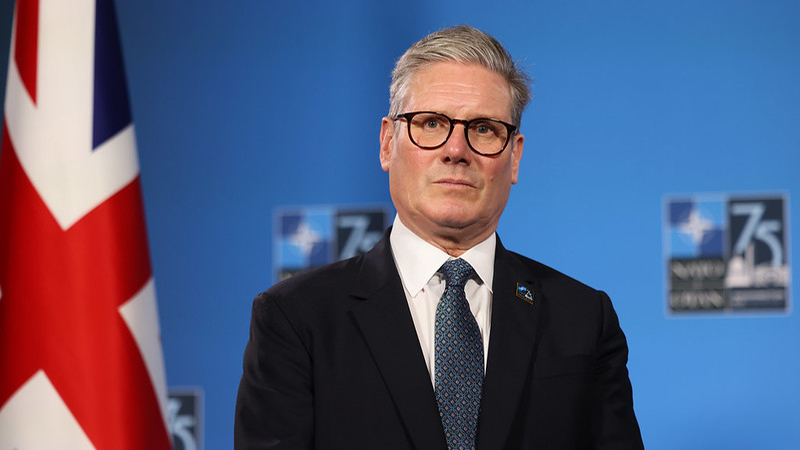

Yields on 10-year gilts edged up to 4.96% and the 30-year reached 5.63% on Monday as investors reacted to Keir Starmer’s position being undermined by Labour’s heavy losses in the local elections.
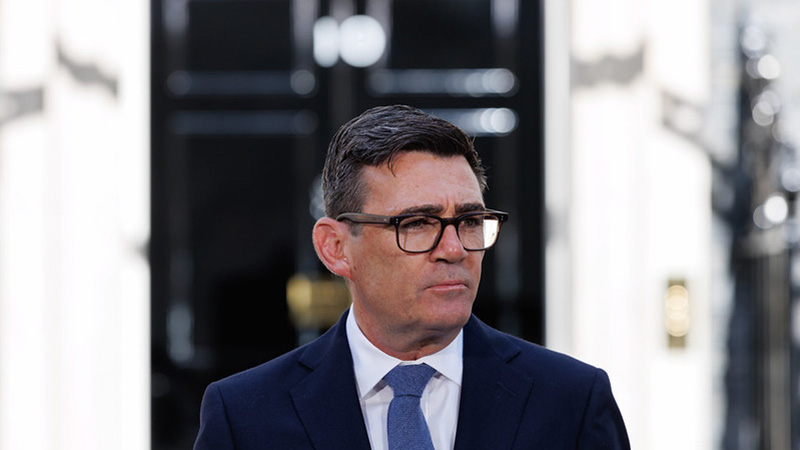
Starmer’s speech in front of supporters seeking to set out his policy agenda and shore up his job did little to allay fears he will be forced out of office by his own party in the near future.
The pound was largely unmoved at $1.36, potentially reflecting the uncertainty around the dollar more than confidence in the UK economy.
The FTSE 100 edged up 0.25% to 10,258 points, while the domestic facing FTSE 250 was flat at 22,833.
Adding to the uncertainty, is the rolling crisis in the Middle East and its implications for energy markets. As is often the case, US President Donald Trump’s comments on a peace deal with Iran have been contradictory.
Trump has been insisting the ceasefire will turn into a permanent peace deal ‘soon’ but has also said Iran’s position on terms for a deal is currently a long way from his own.
Russ Mould, investment director at AJ Bell, said: “Bond investors are selling gilts as they now consider the UK government to be a riskier proposition.
“The potential for a leadership challenge is growing by the minute following Labour’s washout showing in last week’s local elections.
“Bond investors have already been worried by the prospect of higher inflation linked to the Middle East conflict, and now they’re starting to squirm in their seat at the idea we might get a different prime minister and chancellor driving an agenda of increased borrowing and spending.
“If that wasn’t enough to keep investors on their toes, there was another setback to the Middle East peace talks as the two sides failed to see eye to eye. Oil jumped 3.5% to $104.80 a barrel after Donald Trump said Iran’s response to a US proposal was ‘unacceptable’.”
See also: SJP turns to inflation-linked bonds to bolster multi-asset defences
Futures prices indicate the US stockmarket boom of recent weeks is not letting up, despite the continued absence of the deal to end the war with Iran.
The AI trade is only accelerating, with big tech stocks continuing to show strength and chipmakers including AMD and Intel putting in spectacular rallies.
Investors will also be trying to gauge how Trump’s planned summit this week with his Chinese counterpart Xi will impact markets.
Daniel Casali, chief investment strategist at Evelyn Partners, said: “Geopolitics today is increasingly shaped by the relationship between the US and China, the world’s two largest economies. In many ways, this rivalry echoes the Cold War, when the US and the Soviet Union competed for global influence.
“The difference today is that the US and China are deeply economically intertwined, so any tensions are immediately felt by markets.
“Recent events in the Middle East show that this rivalry now extends beyond trade or technology to securing energy resources. It can be argued that recent US military actions against Iran were about containing China.
“This dynamic began earlier in the year, when Washington effectively secured control over Venezuelan oil following the capture of President Maduro,” he continued.
“Against this backdrop, the delayed Trump–Xi summit in Beijing this week takes on added importance. This meeting is likely to shape US-China relations for the remainder of president Trump’s second term, with a possible reciprocal visit by President Xi later in the year. The goal of this meeting is stability, not reconciliation.
See also: Tech funds surge ahead in April despite Iran War, says Fairview’s Yearsley