




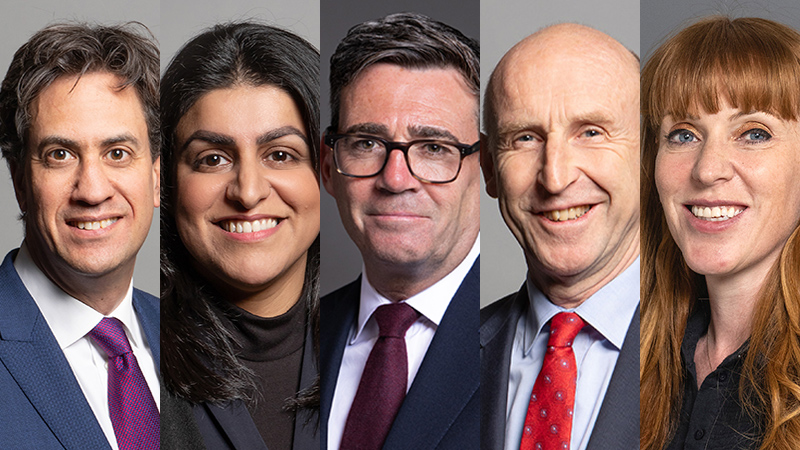




Andy Burnham has wasted no time in swinging the axe on the Cabinet after becoming Prime Minister today (20 July), with Rachel Reeves removed as Chancellor of the Exchequer.
While it was seen as unlikely Burnham would leave Reeves in post, confirmation of her abrupt exit suggests Burnham is not minded to take things slowly while early in the job.
Reeves will leave immediately and will not take on another Cabinet role.
Shabana Mahmood is reportedly being lined up to replace Reeves at the Treasury, with Ed Miliband also a contender.
Peter Kyle has been sacked as Business Secretary, while Justice Secretary David Lammy has also been shown the door by Burnham. Further Cabinet exits are expected in the coming hours and days.
The departures came within a few hours of Burnham’s speech in Downing Street following his visit to meet the King.
There was little hard information on policy for investors or financial services firms to digest, with Burnham talking in broad-brush terms about ending homelessness, acting as a ‘circuit breaker’ on economic decline, and pushing down the cost of living.
Whether the UK economy, and UK equities, will be lifted or weighed down by the Burnham government will only become clear in the coming months.
Stuart Widdowson, co-portfolio manager of Odyssean Investment Trust, said: “Each shift in leadership brings fresh uncertainty over tax, spending and regulation, and summer 2026 looks no different.
“The instinctive response from many investors is to shun UK small caps, on the assumption they are closely tied to the domestic economy and therefore especially exposed while the political drama plays out.
“In practice, though, the medium-to long-term value creation prospects of high-quality smaller UK firms are largely independent of who occupies Downing Street. Many smaller companies are UK-listed in name only, generating the bulk of their operations, revenues and profits overseas.”
See also: UK gilts: The bed on which they lie
Susannah Streeter, chief investment strategist at Wealth Club, said: ”The political winds may be shifting toward a more interventionist ‘Manchesterism’ style of economics under Andy Burnham, with potential tax rises on the horizon, but investors must resist the urge to hit the panic button.
“History shows us that rashly switching and ditching assets based on speculation is a sure fire way to lock in unnecessary transaction costs, trigger premature tax liabilities, and crucially miss out on the power of long-term compounding.
“Market timing is a notoriously difficult game and time in the market is what counts the most.
“It is also important to remember that a domestic regime change won’t cause global corporate earnings, which power the FTSE 100, to grind to a halt, nor is it likely to stop overseas suitors from circling attractive UK targets.”