






In theory, funds do not change dramatically in style or positioning over time without a change in mandate or manager, but for some evolving is a crucial part of a long-term strategy.
Being flexible allows managers to pivot towards the areas of the market where they see the best opportunities for investors, rather than being dogmatically tied to a part of the market that is no longer as attractive or compelling.
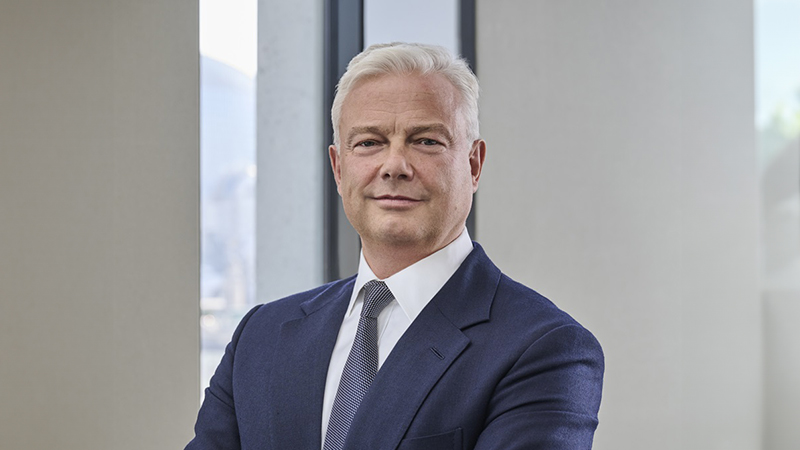
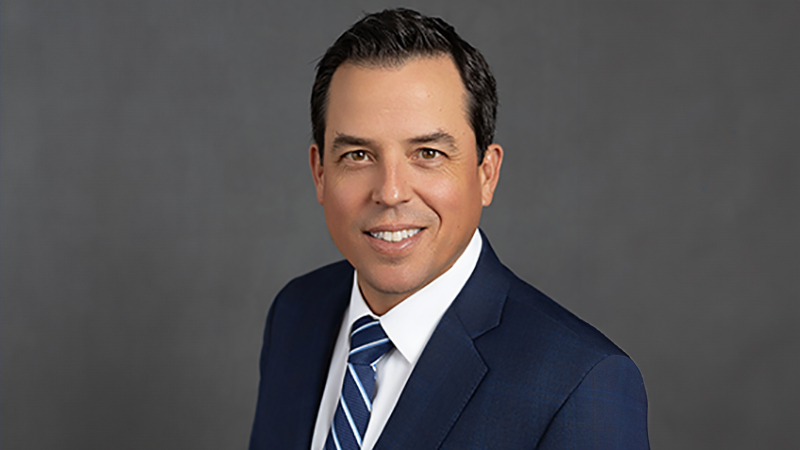
This is precisely the case for Rose Vangerven and Anthony Kingsley, CEO and CIO at Findlay Park Partners and managers of the Findlay Park American fund.
See also: Findlay Park names CEO successor
Since inception in 1998, the fund has delivered more than 2,000% total return in dollar terms, according to data from FactSet and the Findlay Park team.
However, most of this strong performance was down to the team’s ability to avoid losses, Kingsley admitted.
“The thing I try and remind myself is that you can have lots of great years, but if you suddenly use 50% of your assets, you have to double down to get back to where you started.
“You can analyse a business or a stock as much as you want, but you can be wrong,” he added. “We want to manage that risk; we want to sleep at night.”
In the 28 years the fund has been running, its benchmark has slid in 34 quarters, with the strategy outperforming in 32 of those, demonstrating this risk-averse approach in action. By contrast, the fund had underperformed the benchmark in roughly 70% of positive quarters since inception.
A crucial part of this ability to avoid heavy losses has been the team’s willingness to be flexible, according to Vangerven and Kingsley.
Kingsley added: “We always like to describe ourselves as pragmatic, and for that it means the fund should evolve.”
It is important to recognise how the opportunity set changes and be willing to move towards where the most attractive opportunities are, the team said. As a result, the fund’s focus has changed quite dramatically over its lifespan, according to the managers.
When the fund started, it described itself primarily as a small-cap-focused strategy and judged itself against the small-cap Russell 2000 index.
See also: Pacific AM hires ex-Findlay Park manager to head up US equities
In the early 2010s, it had a more mid-cap focus and benchmarked itself against the Russell 2000 and the S&P 500. Currently, it compares itself to the Russell 1000, with the managers finding opportunities across the market-cap spectrum with a 91% active share compared with the benchmark.
“We’re long-term investors, but that shouldn’t mean you’re a buy-and-hold-forever investor and it shouldn’t mean you get ‘stuck’ somewhere either,” added Vangerven.
Take, for example, the firm’s pivot away from smaller companies.
“In the early 10 years of the fund’s life, the Russell 2000 was on a tear,” Kingsley argued. “They were cheap, they were selling at a discount, and if you mentioned the S&P 500, people used to say it’s a terrible index.”
However, this started to change dramatically in the past two decades, and the team would be unable to offer good compounding returns and downside protection if they were unwilling to change, he added.
As a result, in 2008 the team started to talk to their investors about how large-cap stocks now seemed much more attractive, with better valuations and downside protection than small caps.
A few years later, the team switched the benchmark to reflect their greater large-cap focus and continued to perform well, according to Vangerven.
According to data from FE fundinfo, over the past 20 years the S&P 500 has surged almost 1,000% for investors, even after downturns such as the global financial crisis and Covid pandemic.
See also: Covered: US equities at the crossroads
The small-cap Russell 2000 index, meanwhile, is up 650%, still an impressive total return, but around 300 percentage points lower than its large-cap counterpart.
“Had we stuck doggedly in small-cap companies, our compounding return would just be worse,” Kingsley said.
This flexibility can lead to some confusion from investors when the fund starts to look quite different from what it was when investors originally bought it, Vangerven said.
“Through this process, I think we’ve always tried to be clear in explaining why we’ve made certain changes.
“You need to explain how that’s still totally consistent with the original philosophy of the fund and ultimately in their best long-term interests,” Vangerven concluded.