










The ongoing global bond market sell-off has sent 10-year gilts to 5.2%, the highest level since the global financial crisis of 2008.
The United Kingdom is far from alone in this, with US Treasuries also spiking to put the 10-year paper at 4.8%.
The climbing yields around the world reflect investors’ fears over persistently above target inflation and unsustainable government spending, exacerbated by the continuing wars in the Middle East and Ukraine, and the related energy market disruption.
The price of oil is on the rise once more, with a barrel of Brent crude at $94 and WTI at $90.
The negative sentiment has inevitably spilled over into equities markets, with major indices well into the red yesterday.
In morning trading on Wednesday, the FTSE 100 is down 0.5% at 10,734 points, while the Stoxx Europe 600 is down 0.48% at 644.
Daniel Mahoney, senior UK economist at Handelsbanken, said: “Recent drivers of increasing gilt yields have been broadly international, including geopolitical risk and competition for investor capital in the context of the AI boom, but it continues to be a major concern that UK government borrowing costs remain notably higher than G7 counterparts.
“If geopolitical risk recedes later this year, as we currently project, we do expect to see some easing of gilt yields in the future,” he continued.
“Moreover, the spread between gilt yields and other G7 sovereign debt yields may end up narrowing next year as political risk rises up the agenda in continental Europe.
“But current moves in financial markets are clearly set to further erode the government’s fiscal headroom at the upcoming Budget, adding to the likelihood that fresh tax increases will be announced on 28th October.”
See also: US Treasury’s bond market move leaves investors expecting more
David Roberts, head of fixed income at Nedgroup Investments, noted the bond price falls may represent a good entry point.
“With borrowing costs at multi decade highs this could be seen as a great opportunity for investors which have been generally underweight the asset class,” he said.
“The key questions: why have yields risen and will they steady or even fall soon? The combination of higher government borrowing around the globe and tensions in the middle east have taken yields higher.
“Underlying economic conditions remain benign and stripping out the impact of AI funding, growth is downright anaemic. Inflation hasn’t rocketed, employment across the G7 seems at best stable.
“Right now, it’s difficult to see a change in fortune for bonds. Certainly, a long-term solution to the Iranian situation would help. However, at current levels investors are already receiving higher levels of income from bonds than at almost any time this century. That income provides a total return cushion should capital prices fall further.”
Matthew Amis, investment director, rates management, at Aberdeen Investments, added: “Gilts played catch-up with European peers yesterday after Monday’s bank holiday. The summer holidays are over and yet the Iranian conflict is still no closer to a resolution.
“Tensions in the Middle East increased again last night, as such both oil and natural gas moved higher. Uk 10 Year gilt yields are up over 10bps this week.
“At the front end of the UK curve, markets are now pricing in three hikes from the Bank of England over the next year,” Amis continued. “Gilt yields look elevated here but until oil and gas start freely moving in the Straits of Hormuz, gilt yields are going to struggle.
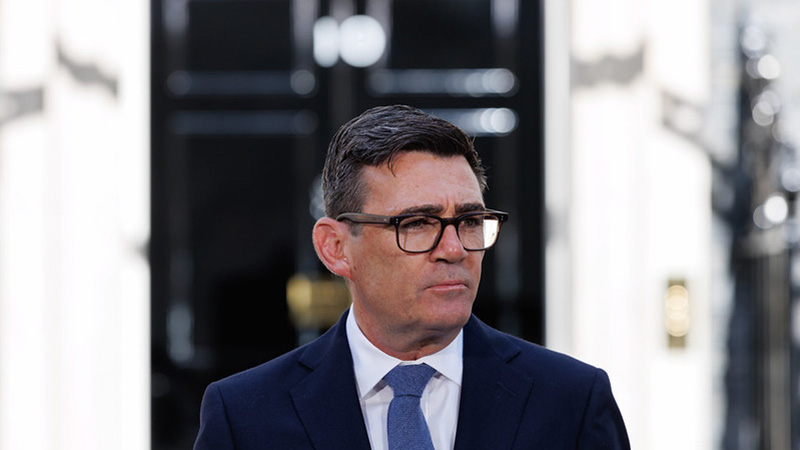
“On the politics front, PM Burnham delivered his maiden speech to parliament yesterday. From a gilt market perspective, I don’t think we learnt anything new. But what is clear is with gilt yields at these levels, the fiscal room for manoeuvre going into October’s budget is incredibly limited.”